-
-
-
Service Support

-
About Royalstar
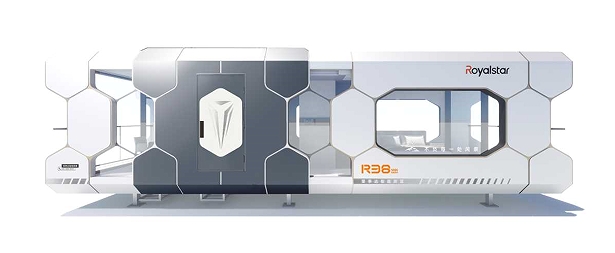

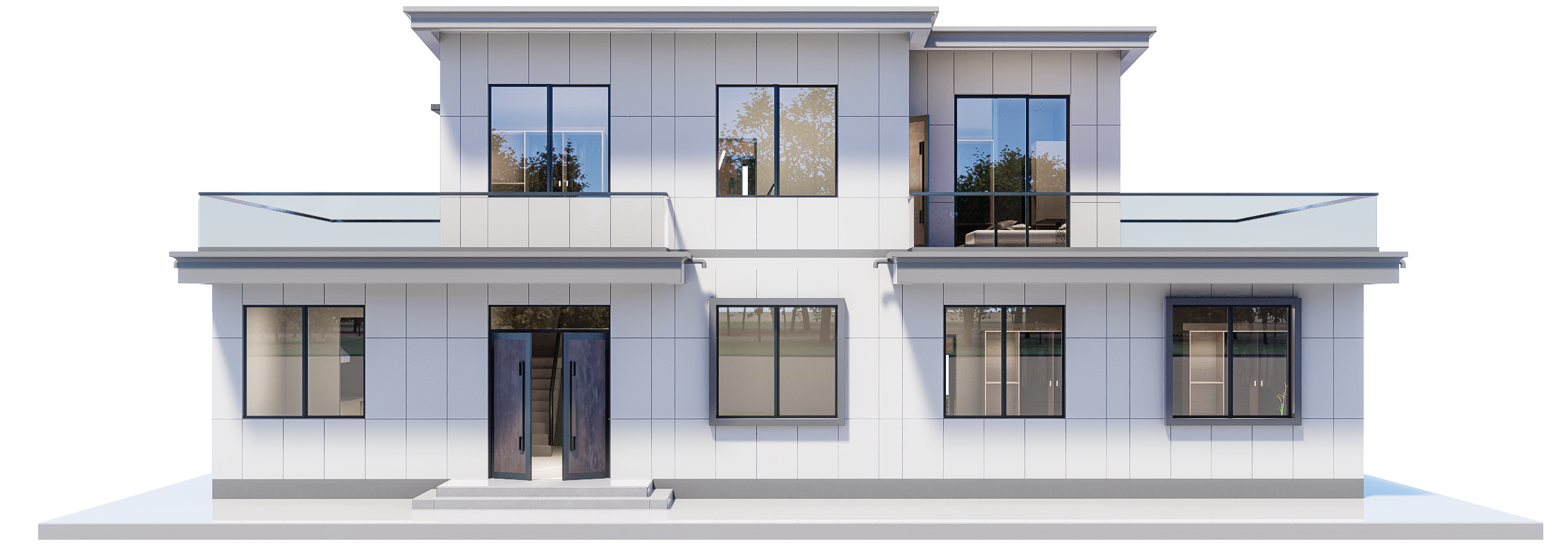
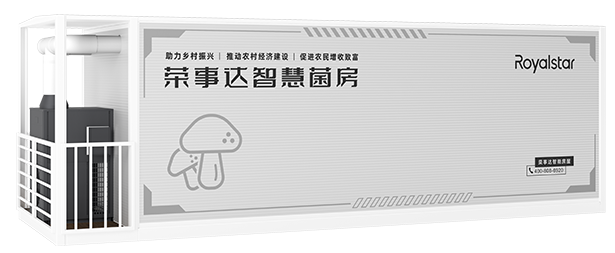
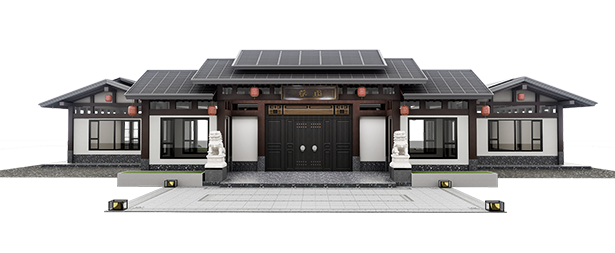




Prebuilt Tiny Houses: Compact Living with Maximum Efficiency and Modern Comfort
Prebuilt tiny houses are compact, factory-made homes that offer fast installation, affordability, and efficient, modern living solutions.
Data:
2026-03-26 11:30
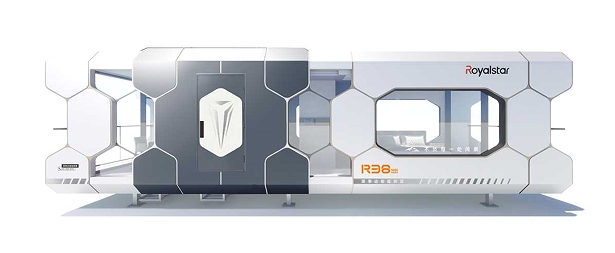
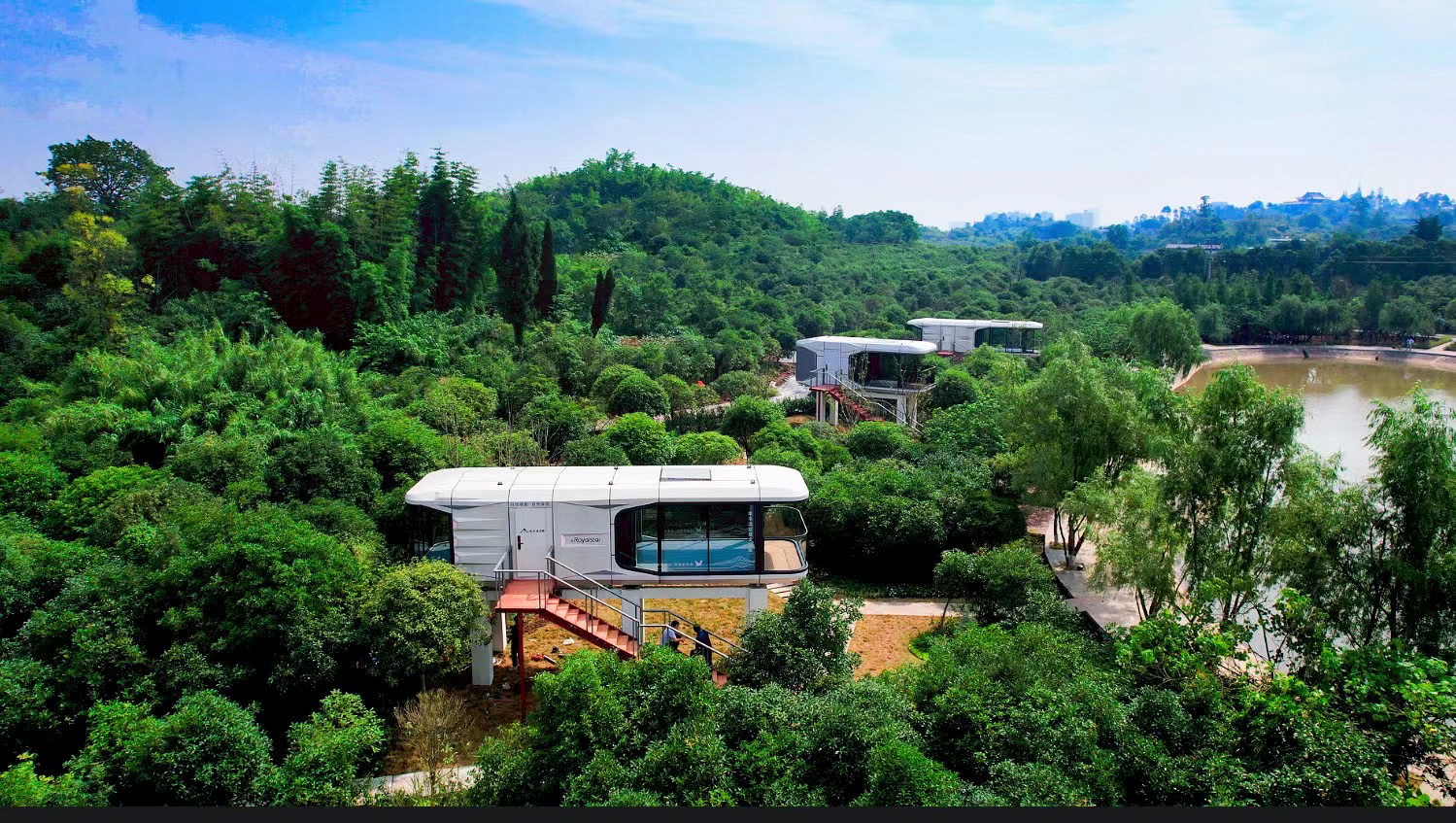
Prebuilt tiny houses are transforming the way people think about housing by offering a practical, affordable, and sustainable alternative to traditional homes. These compact living spaces are constructed in factory-controlled environments, where precision engineering and standardized processes ensure consistent quality and durability. Unlike conventional construction, which is often subject to weather delays and on-site inefficiencies, prebuilt tiny houses are manufactured efficiently and delivered ready for quick installation, significantly reducing project timelines.
One of the primary advantages of prebuilt tiny houses is their affordability. By optimizing production methods and minimizing material waste, manufacturers can provide high-quality homes at a much lower cost than traditional housing. This makes them an attractive option for first-time buyers, retirees, and individuals seeking to downsize or simplify their lifestyles. In addition to the lower upfront cost, these homes typically require less energy for heating, cooling, and maintenance, resulting in long-term financial savings.
Despite their smaller footprint, prebuilt tiny houses are designed with a strong focus on functionality and comfort. Every inch of space is carefully planned to maximize usability. Innovative design features such as loft sleeping areas, foldable furniture, built-in storage, and multi-purpose rooms allow residents to enjoy a full range of living functions without feeling cramped. Open floor plans and strategically placed windows enhance natural light and ventilation, creating a bright and welcoming interior environment.
Sustainability is a core element of prebuilt tiny house design. Many models incorporate eco-friendly building materials and energy-efficient technologies, including high-performance insulation, LED lighting, and optional renewable energy systems such as solar panels. Some units are even designed for off-grid living, with integrated water storage, composting toilets, and rainwater harvesting systems. These features help reduce the environmental impact while supporting a more self-sufficient and eco-conscious lifestyle.
Another key benefit of prebuilt tiny houses is their versatility. They can be customized to suit a wide range of needs and preferences, from minimalist designs to more luxurious finishes. Buyers can select layouts, materials, and additional features such as smart home systems, climate control, and advanced security options. Prebuilt tiny houses are suitable for various applications, including permanent residences, vacation homes, guest accommodations, rental properties, and mobile workspaces. Their portability also makes them ideal for use in remote or temporary locations.
In recent years, prebuilt tiny houses have gained popularity in community development and commercial applications. They are increasingly used in eco-resorts, student housing, emergency shelters, and workforce accommodations. Their quick deployment and scalability make them an effective solution for addressing housing shortages and disaster relief needs. Governments and organizations around the world are recognizing their potential as a flexible and sustainable housing option.
Furthermore, the growing interest in minimalism and sustainable living has driven demand for prebuilt tiny houses. Many people are choosing to reduce their living space in exchange for lower costs, reduced environmental impact, and greater mobility. This lifestyle shift reflects a broader trend toward conscious consumption and efficient use of resources.
In conclusion, prebuilt tiny houses offer a compelling combination of affordability, efficiency, sustainability, and design flexibility. As housing challenges continue to evolve and environmental concerns become more pressing, these compact yet highly functional homes are set to play an increasingly important role in the future of residential living.
Related News






+852 94671947
+971 553083850
Address
Building 2,Intersection of Fenglin Road and Shuangfeng Road, Shuangfeng Economic Development Zone, Hefei City, Anhui Province, China
这里是占位文字