-
-
-
Service Support

-
About Royalstar





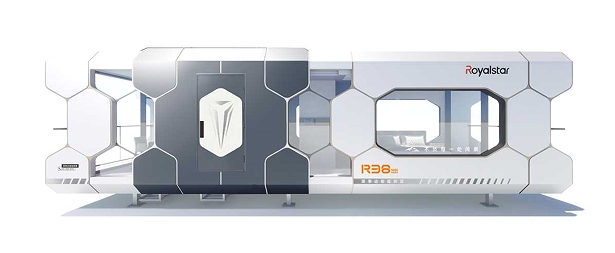
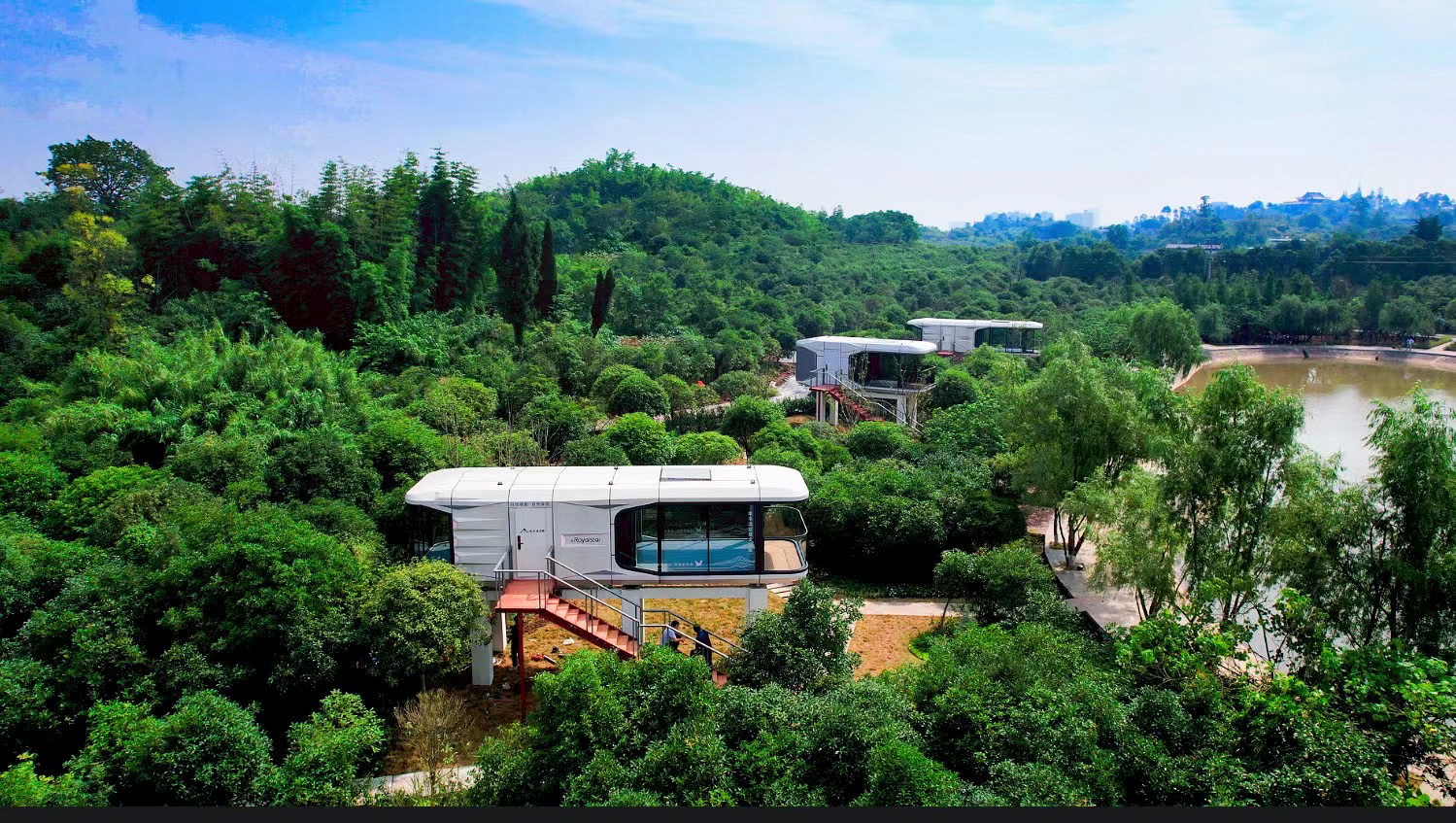
Exploring Modular Homes: The Future of Smart Home Security
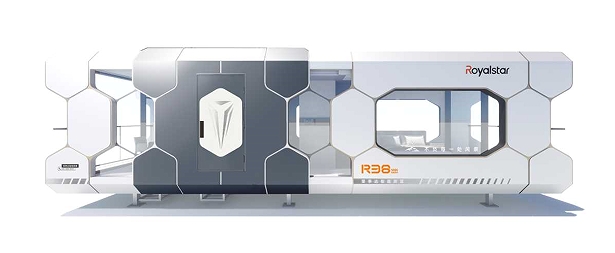
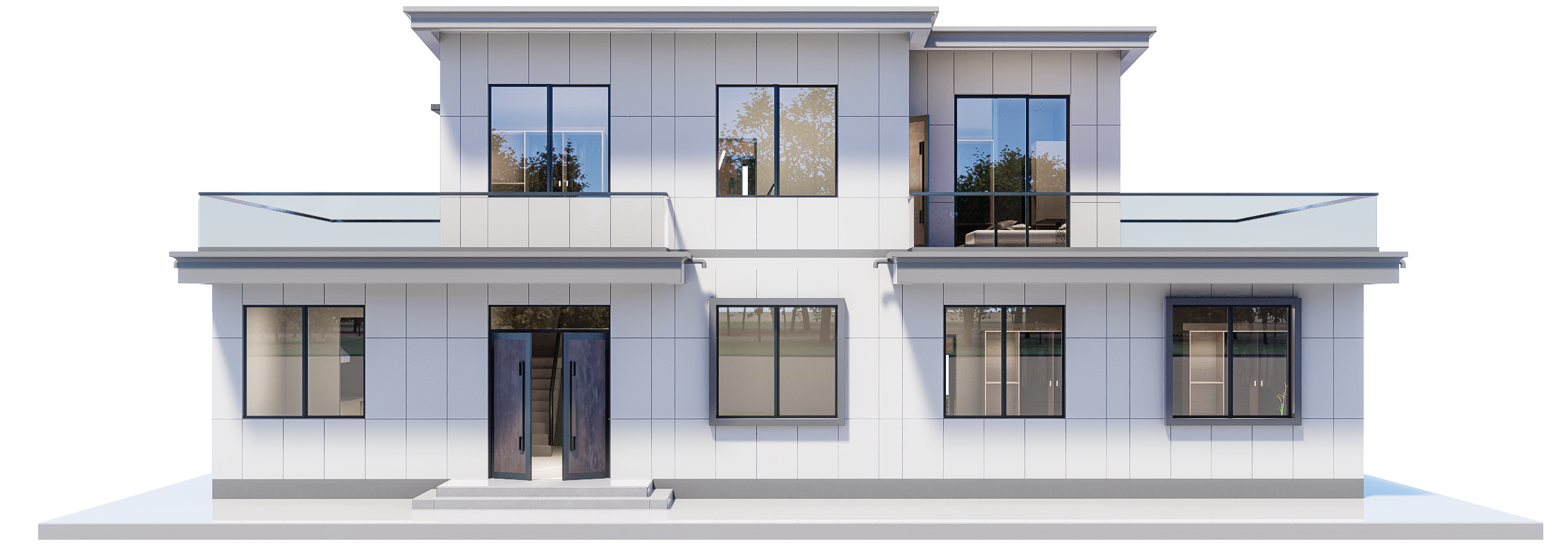
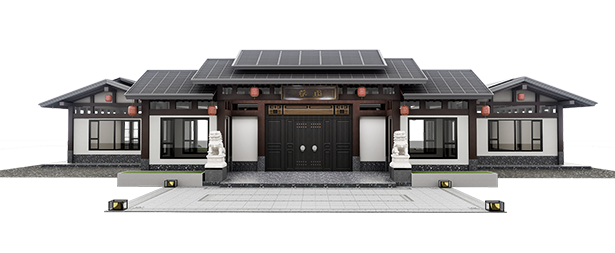
Modular homes represent a significant shift in the construction industry, providing a flexible and efficient approach to building residential properties. These homes are constructed in sections, or modules, in a factory setting before being transported to the home site for assembly. This method not only streamlines the building process but also allows for greater customization and sustainability,
Data:
2026-07-20 17:20
Modular homes represent a significant shift in the construction industry, providing a flexible and efficient approach to building residential properties. These homes are constructed in sections, or modules, in a factory setting before being transported to the home site for assembly. This method not only streamlines the building process but also allows for greater customization and sustainability, which is becoming increasingly important in today's eco-conscious society.
One of the most compelling features of modular homes is their compatibility with smart home technologies. As homeowners look for ways to enhance security and improve their living environment, modular homes can seamlessly integrate a variety of smart devices. For instance, security cameras, motion detectors, and smart locks can all be incorporated into the home's design from the outset. This integration often results in a more cohesive and efficient security system compared to retrofitting existing homes with modern technology.
Furthermore, modular homes can be designed with specific security features in mind. Builders can install reinforced doors and windows, advanced locking systems, and even smart home hubs that allow homeowners to monitor their property remotely. This level of customization not only enhances safety but also provides peace of mind for residents, knowing they have taken proactive steps to protect their home.
Another advantage of modular homes is their ability to be built in a shorter timeframe compared to traditional homes. This rapid construction can be particularly beneficial for those looking to move into a new space quickly, without sacrificing quality or safety. Additionally, the controlled environment of a factory construction reduces the likelihood of delays caused by adverse weather conditions, making it a reliable option for many buyers.
Moreover, as the demand for energy-efficient homes continues to rise, modular construction often utilizes sustainable materials and practices that contribute to a reduced carbon footprint. Many modular homes are designed to be energy-efficient, incorporating features such as improved insulation, energy-efficient windows, and solar panel integration. This not only helps homeowners save on utility bills but also aligns with the growing trend toward environmentally responsible living.
In conclusion, modular homes present an innovative solution for modern living, particularly in the realm of smart home security. By incorporating advanced technology, customizable features, and sustainable practices, these homes not only enhance safety but also cater to the evolving needs and preferences of today's homeowners. As the market for modular homes continues to grow, it will be exciting to see how they shape the future of residential construction and security.
One of the most compelling features of modular homes is their compatibility with smart home technologies. As homeowners look for ways to enhance security and improve their living environment, modular homes can seamlessly integrate a variety of smart devices. For instance, security cameras, motion detectors, and smart locks can all be incorporated into the home's design from the outset. This integration often results in a more cohesive and efficient security system compared to retrofitting existing homes with modern technology.
Furthermore, modular homes can be designed with specific security features in mind. Builders can install reinforced doors and windows, advanced locking systems, and even smart home hubs that allow homeowners to monitor their property remotely. This level of customization not only enhances safety but also provides peace of mind for residents, knowing they have taken proactive steps to protect their home.
Another advantage of modular homes is their ability to be built in a shorter timeframe compared to traditional homes. This rapid construction can be particularly beneficial for those looking to move into a new space quickly, without sacrificing quality or safety. Additionally, the controlled environment of a factory construction reduces the likelihood of delays caused by adverse weather conditions, making it a reliable option for many buyers.
Moreover, as the demand for energy-efficient homes continues to rise, modular construction often utilizes sustainable materials and practices that contribute to a reduced carbon footprint. Many modular homes are designed to be energy-efficient, incorporating features such as improved insulation, energy-efficient windows, and solar panel integration. This not only helps homeowners save on utility bills but also aligns with the growing trend toward environmentally responsible living.
In conclusion, modular homes present an innovative solution for modern living, particularly in the realm of smart home security. By incorporating advanced technology, customizable features, and sustainable practices, these homes not only enhance safety but also cater to the evolving needs and preferences of today's homeowners. As the market for modular homes continues to grow, it will be exciting to see how they shape the future of residential construction and security.
Related News






+852 94671947
+971 553083850
Address
Building 2,Intersection of Fenglin Road and Shuangfeng Road, Shuangfeng Economic Development Zone, Hefei City, Anhui Province, China