-
-
-
Service Support

-
About Royalstar





The Future of Living: Understanding Prefab Houses
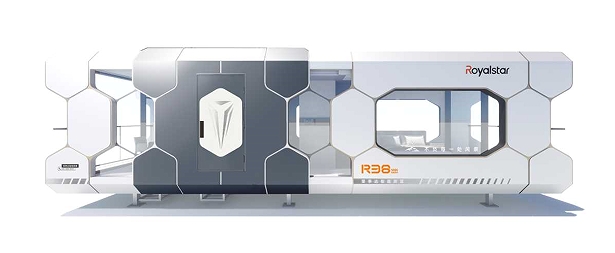
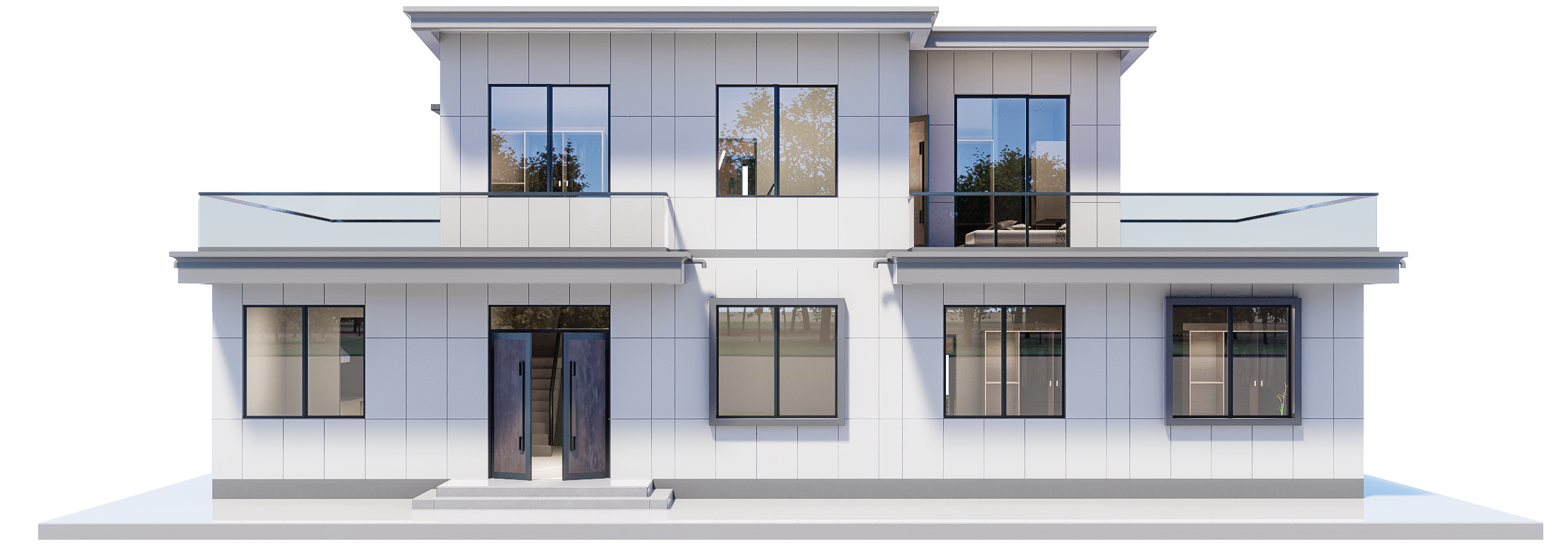
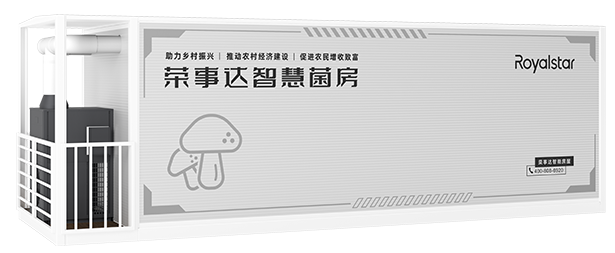
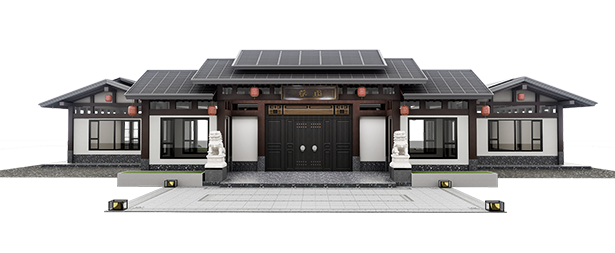
Prefab houses, short for prefabricated houses, represent a significant shift in the construction industry, offering a blend of efficiency, sustainability, and modern design. These homes are manufactured off-site in controlled environments and then transported to their final locations for assembly. This method contrasts sharply with traditional home-building processes, which can be prolonged and su
Data:
2026-02-16 09:50
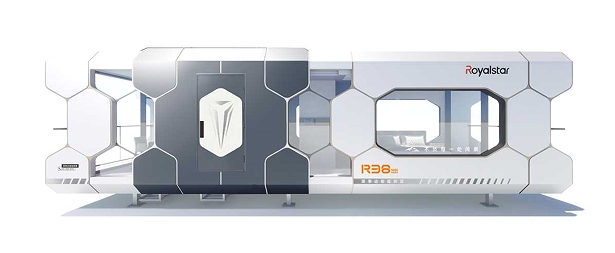
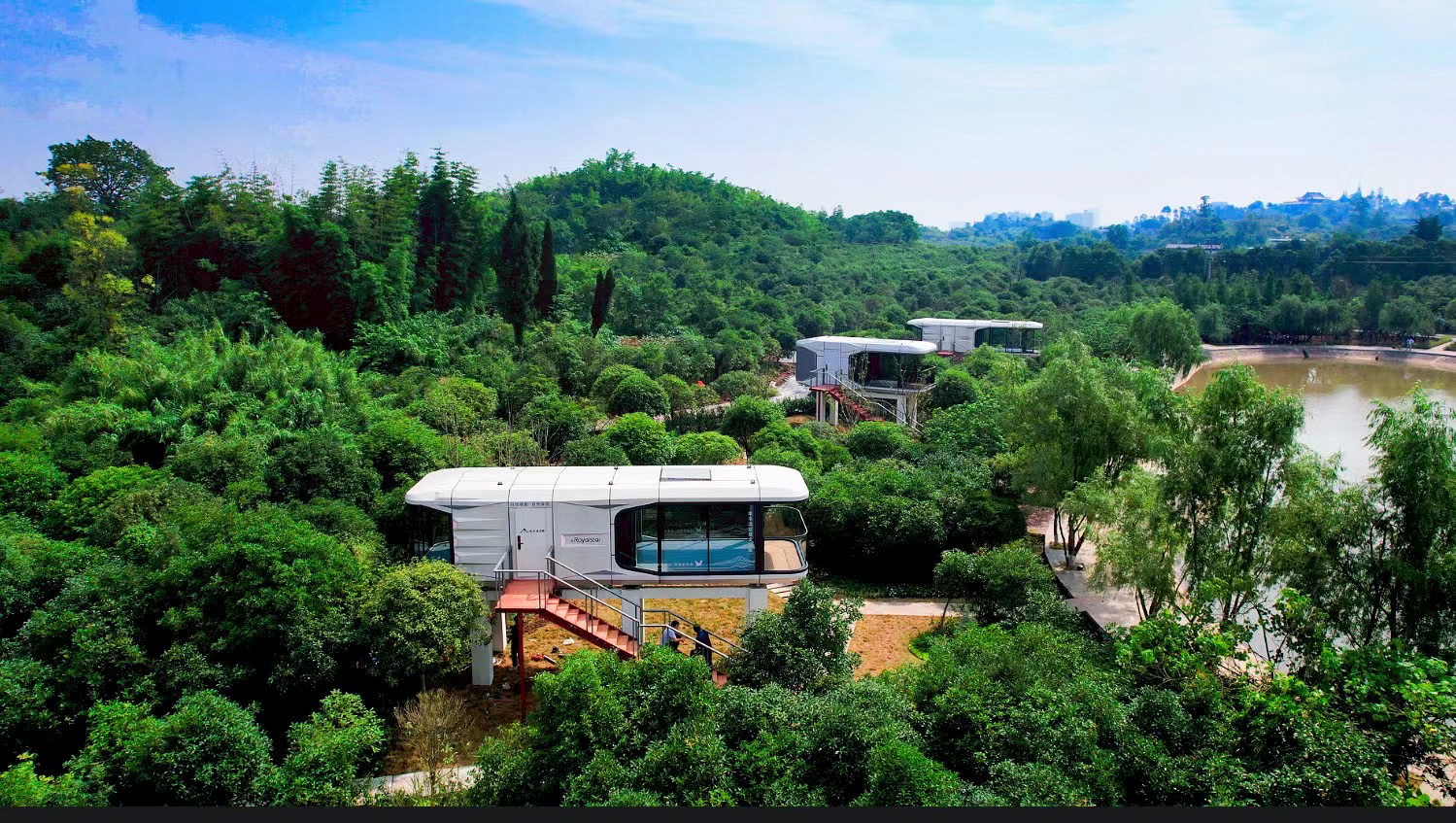
Prefab houses, short for prefabricated houses, represent a significant shift in the construction industry, offering a blend of efficiency, sustainability, and modern design. These homes are manufactured off-site in controlled environments and then transported to their final locations for assembly. This method contrasts sharply with traditional home-building processes, which can be prolonged and subject to various weather-related delays. The benefits of prefab houses extend beyond just reduced construction time; they also provide an opportunity for enhanced safety and quality control, crucial in today's home-building industry.
One of the most compelling advantages of prefab houses is their sustainable design. Many prefab models incorporate eco-friendly materials and energy-efficient technologies, which can lead to lower energy consumption and a reduced carbon footprint. Features such as pre-installed solar panels, energy-efficient windows, and advanced insulation can make these homes not just smart in construction but also smart in energy management. This aligns perfectly with the increasing demand for green living solutions in residential architecture.
Safety and security are significant concerns for homeowners, and prefab houses can incorporate advanced smart home technologies right from the manufacturing stage. Options for integrated security systems, smart lighting, and climate control can enhance the safety and comfort of living in a prefab home. These systems can be monitored and controlled remotely, allowing homeowners to maintain peace of mind whether they are at home or away.
Moreover, the affordability of prefab houses should not be overlooked. They often provide a cost-effective alternative to traditional homes because of the streamlined construction process and reduced labor costs. This affordability opens up new opportunities for first-time homeowners and those looking to downsize or invest in secondary properties.
It's important to note that while prefab houses offer numerous benefits, they also require careful consideration regarding zoning laws and land use. Prospective homeowners should research local regulations and work with professionals familiar with prefab construction to ensure compliance and a smooth installation process.
In conclusion, the rise of prefab houses represents an exciting development in the housing sector, merging contemporary design with environmental consciousness and safety features. As individuals and families increasingly seek smart, sustainable living solutions, prefab houses will likely play an integral role in shaping the future of homeownership. By embracing this innovative approach, homeowners can enjoy the numerous benefits of prefab living while contributing to a more sustainable future.
One of the most compelling advantages of prefab houses is their sustainable design. Many prefab models incorporate eco-friendly materials and energy-efficient technologies, which can lead to lower energy consumption and a reduced carbon footprint. Features such as pre-installed solar panels, energy-efficient windows, and advanced insulation can make these homes not just smart in construction but also smart in energy management. This aligns perfectly with the increasing demand for green living solutions in residential architecture.
Safety and security are significant concerns for homeowners, and prefab houses can incorporate advanced smart home technologies right from the manufacturing stage. Options for integrated security systems, smart lighting, and climate control can enhance the safety and comfort of living in a prefab home. These systems can be monitored and controlled remotely, allowing homeowners to maintain peace of mind whether they are at home or away.
Moreover, the affordability of prefab houses should not be overlooked. They often provide a cost-effective alternative to traditional homes because of the streamlined construction process and reduced labor costs. This affordability opens up new opportunities for first-time homeowners and those looking to downsize or invest in secondary properties.
It's important to note that while prefab houses offer numerous benefits, they also require careful consideration regarding zoning laws and land use. Prospective homeowners should research local regulations and work with professionals familiar with prefab construction to ensure compliance and a smooth installation process.
In conclusion, the rise of prefab houses represents an exciting development in the housing sector, merging contemporary design with environmental consciousness and safety features. As individuals and families increasingly seek smart, sustainable living solutions, prefab houses will likely play an integral role in shaping the future of homeownership. By embracing this innovative approach, homeowners can enjoy the numerous benefits of prefab living while contributing to a more sustainable future.
Related News





+852 94671947
+971 553083850
Address
Building 2,Intersection of Fenglin Road and Shuangfeng Road, Shuangfeng Economic Development Zone, Hefei City, Anhui Province, China
这里是占位文字