-
-
-
Service Support

-
About Royalstar





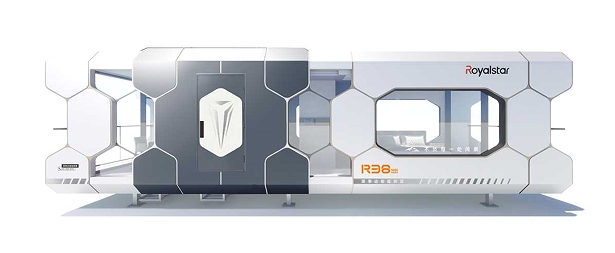
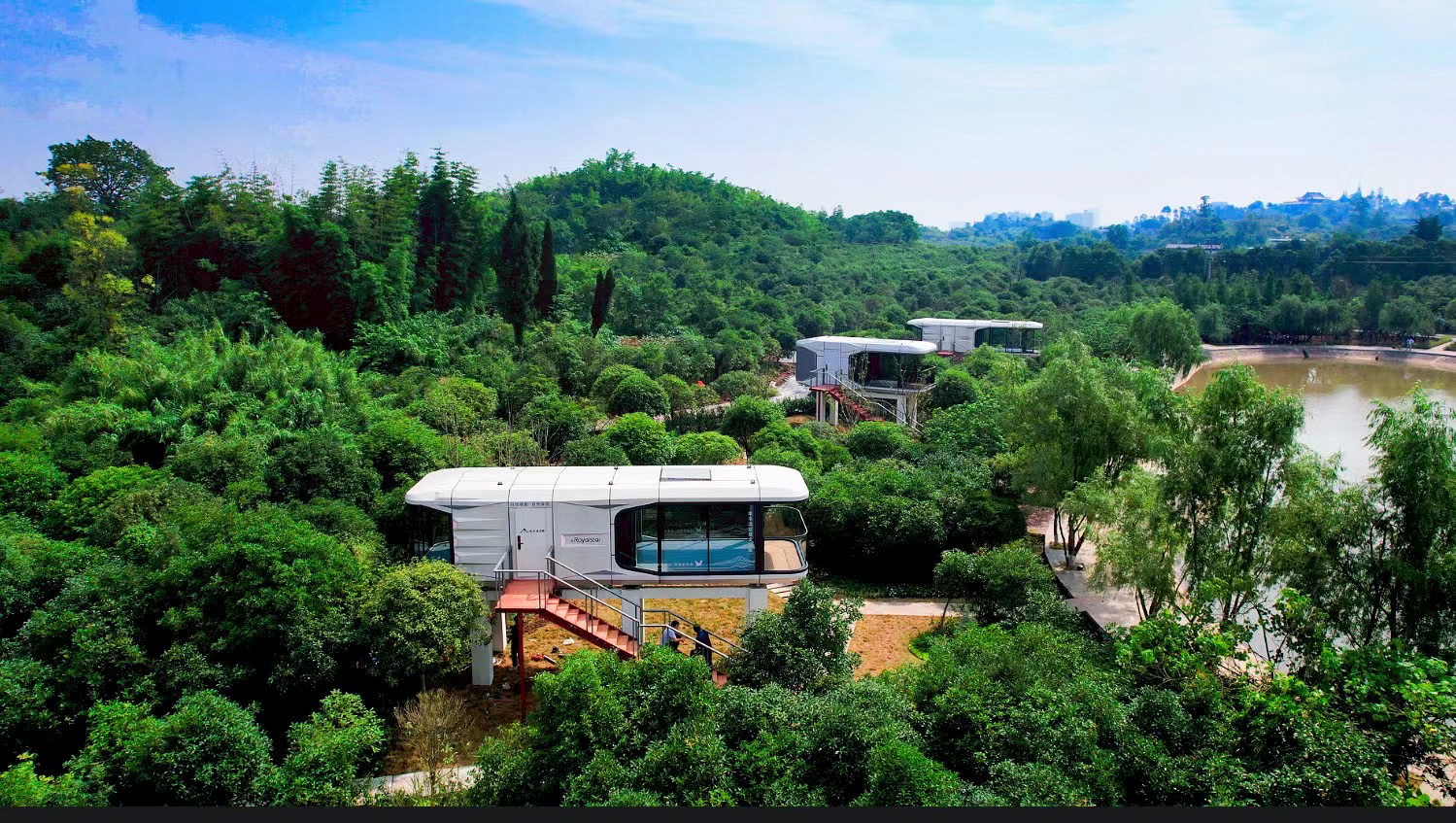
Eco-Friendly Prefabricated Homes: Sustainable Living for a Modern Future
Eco-friendly prefab homes offer sustainable, energy-efficient living with fast installation, durable materials, reduced waste, and customizable modern designs.
Data:
2026-04-27 13:56
Eco-friendly prefabricated homes, often referred to as prefab homes, represent a revolutionary approach to residential construction that prioritizes sustainability, efficiency, and modern design. As global awareness of environmental issues continues to grow, homeowners, developers, and governments are increasingly turning to greener building solutions. Prefabricated homes, manufactured in controlled factory environments and assembled on-site, offer a practical and innovative way to reduce environmental impact while maintaining high standards of quality and comfort.
One of the most significant advantages of eco-friendly prefab homes is their reduced environmental footprint. Traditional construction methods often generate large amounts of waste due to on-site cutting, excess materials, and inefficient resource use. In contrast, prefab construction allows for precise material measurement and efficient production processes, significantly minimizing waste. Additionally, many prefab homes are constructed using sustainable, renewable, or recycled materials such as certified timber, recycled steel, and eco-friendly insulation, further reducing their ecological impact.
Energy efficiency is another key feature of eco-friendly prefab homes. These houses are typically designed with advanced insulation systems, airtight building envelopes, and energy-efficient windows and doors. Such features help maintain stable indoor temperatures, reducing the need for excessive heating or cooling. As a result, homeowners can enjoy lower energy bills and a reduced carbon footprint. Many prefab homes also support the integration of renewable energy systems, including solar panels and energy storage units, enabling homeowners to move toward energy independence and sustainable living.
Water conservation is also an important aspect of eco-friendly prefab home design. Many models incorporate rainwater harvesting systems, low-flow plumbing fixtures, and greywater recycling solutions. These features help reduce water consumption and promote responsible resource management, which is especially valuable in regions facing water scarcity.
In addition to environmental benefits, prefab homes offer remarkable efficiency in terms of construction time and cost. Because the majority of the building components are manufactured in a factory setting, construction timelines are significantly shortened. Weather delays and on-site uncertainties are minimized, allowing for faster project completion. This streamlined process also leads to reduced labor costs and improved budget control, making prefab homes an attractive option for a wide range of buyers.
Durability and quality control are also notable advantages. Factory-based construction ensures that each component is produced under strict quality standards, resulting in consistent and reliable structures. Eco-friendly prefab homes are designed to withstand various environmental conditions, including extreme weather, while maintaining structural integrity over time.
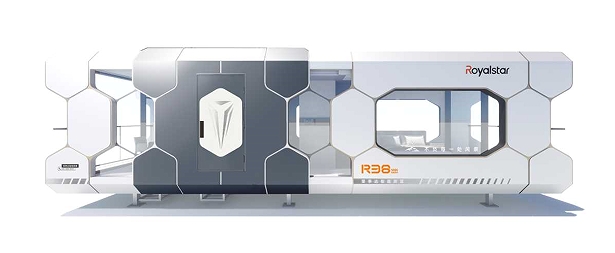
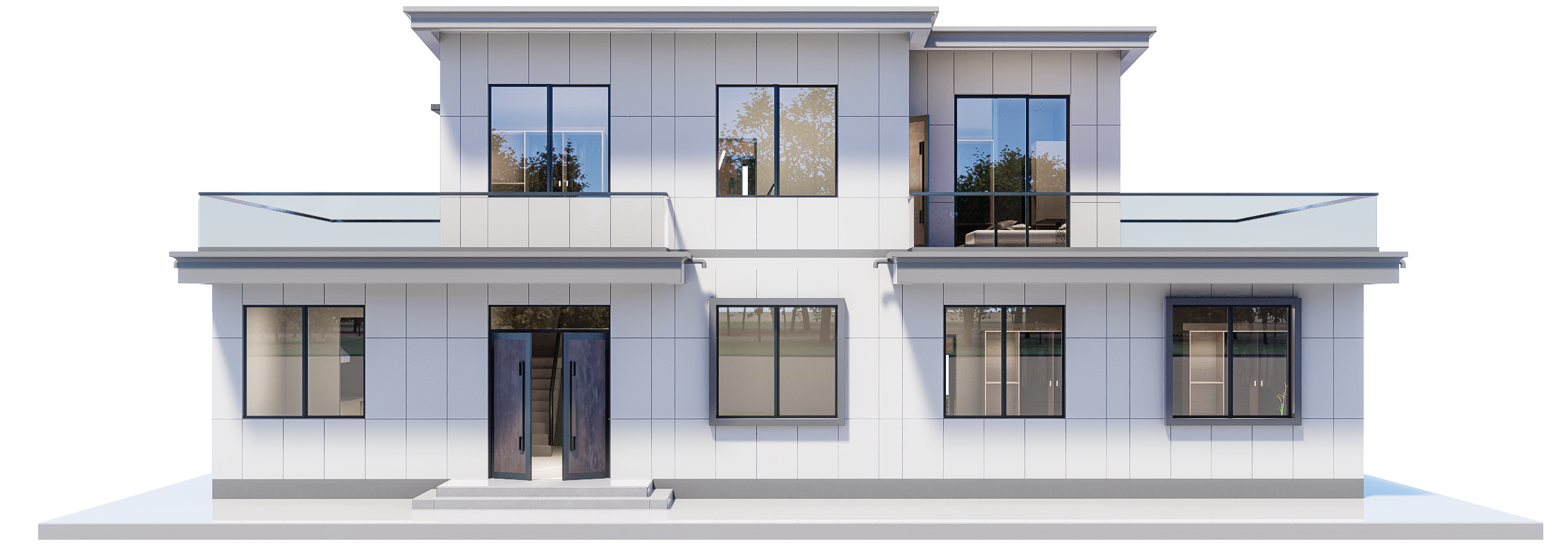
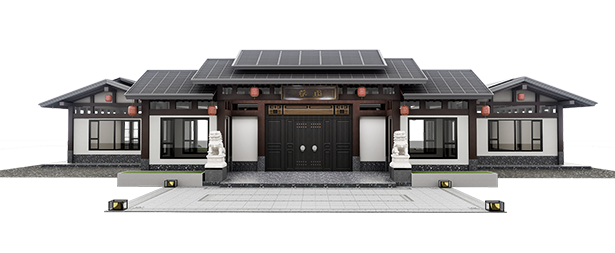
Customization and design flexibility further enhance the appeal of prefab homes. Contrary to common misconceptions, prefab homes are not limited to simple or uniform designs. Buyers can choose from a wide variety of floor plans, architectural styles, finishes, and features. Whether seeking a compact minimalist home, a spacious family residence, or a modern luxury villa, prefab solutions can be tailored to meet diverse needs and aesthetic preferences.
Moreover, eco-friendly prefab homes contribute to healthier living environments. Many are built with non-toxic materials, low-VOC (volatile organic compound) finishes, and improved ventilation systems, which enhance indoor air quality. This focus on health and well-being makes them particularly suitable for families, children, and individuals with sensitivities to environmental pollutants.
Transportation and installation of prefab homes are also optimized for efficiency. Modular components are designed for easy transport and rapid assembly, reducing the overall environmental impact associated with construction logistics. In many cases, homes can be assembled within weeks, allowing homeowners to move in much sooner compared to traditional building methods.
From an economic perspective, eco-friendly prefab homes offer long-term value. While initial costs may vary depending on design and features, the savings achieved through reduced energy consumption, lower maintenance requirements, and shorter construction timelines often result in a favorable return on investment. Additionally, as sustainability becomes an increasingly important factor in real estate markets, eco-friendly homes may enjoy higher resale value and market demand.
In conclusion, eco-friendly prefabricated homes provide a forward-thinking solution to modern housing challenges. By combining sustainable materials, energy-efficient technologies, and streamlined construction processes, these homes offer an ideal balance of environmental responsibility, cost-effectiveness, and contemporary living. As the demand for greener lifestyles continues to rise, prefab homes are poised to play a crucial role in shaping the future of housing.
Related News





+852 94671947
+971 553083850
Address
Building 2,Intersection of Fenglin Road and Shuangfeng Road, Shuangfeng Economic Development Zone, Hefei City, Anhui Province, China