-
-
-
Service Support

-
About Royalstar
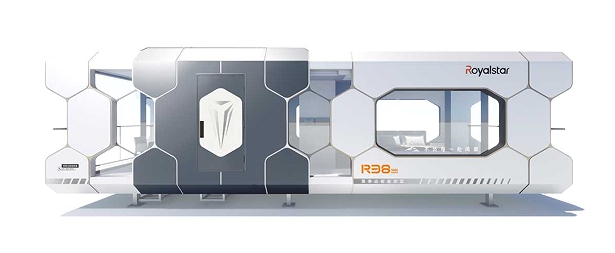

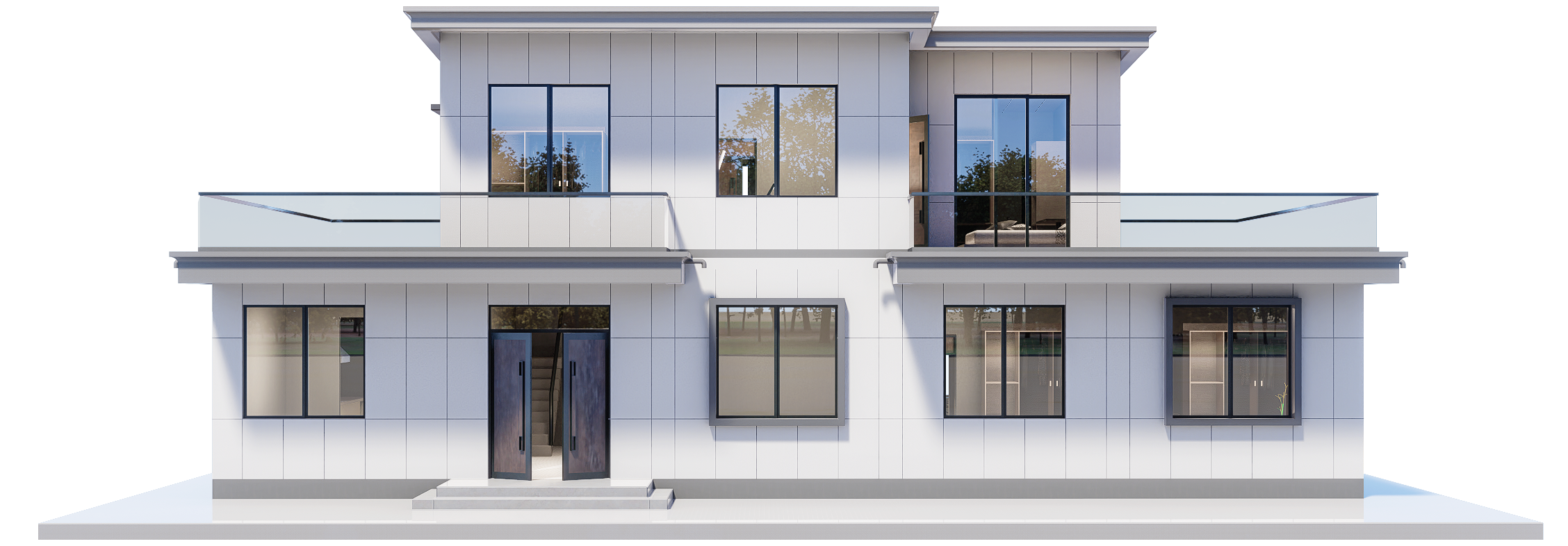
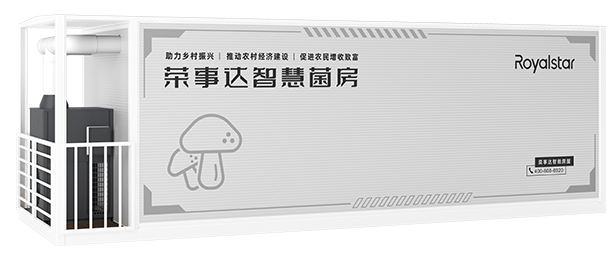
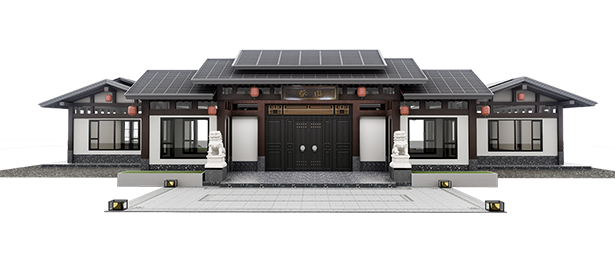

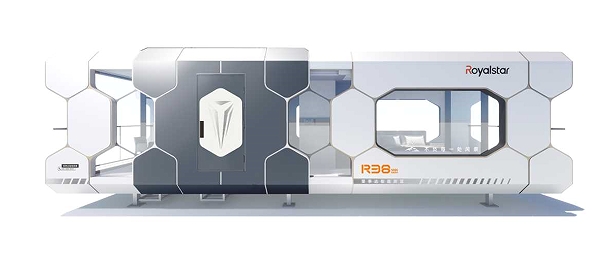
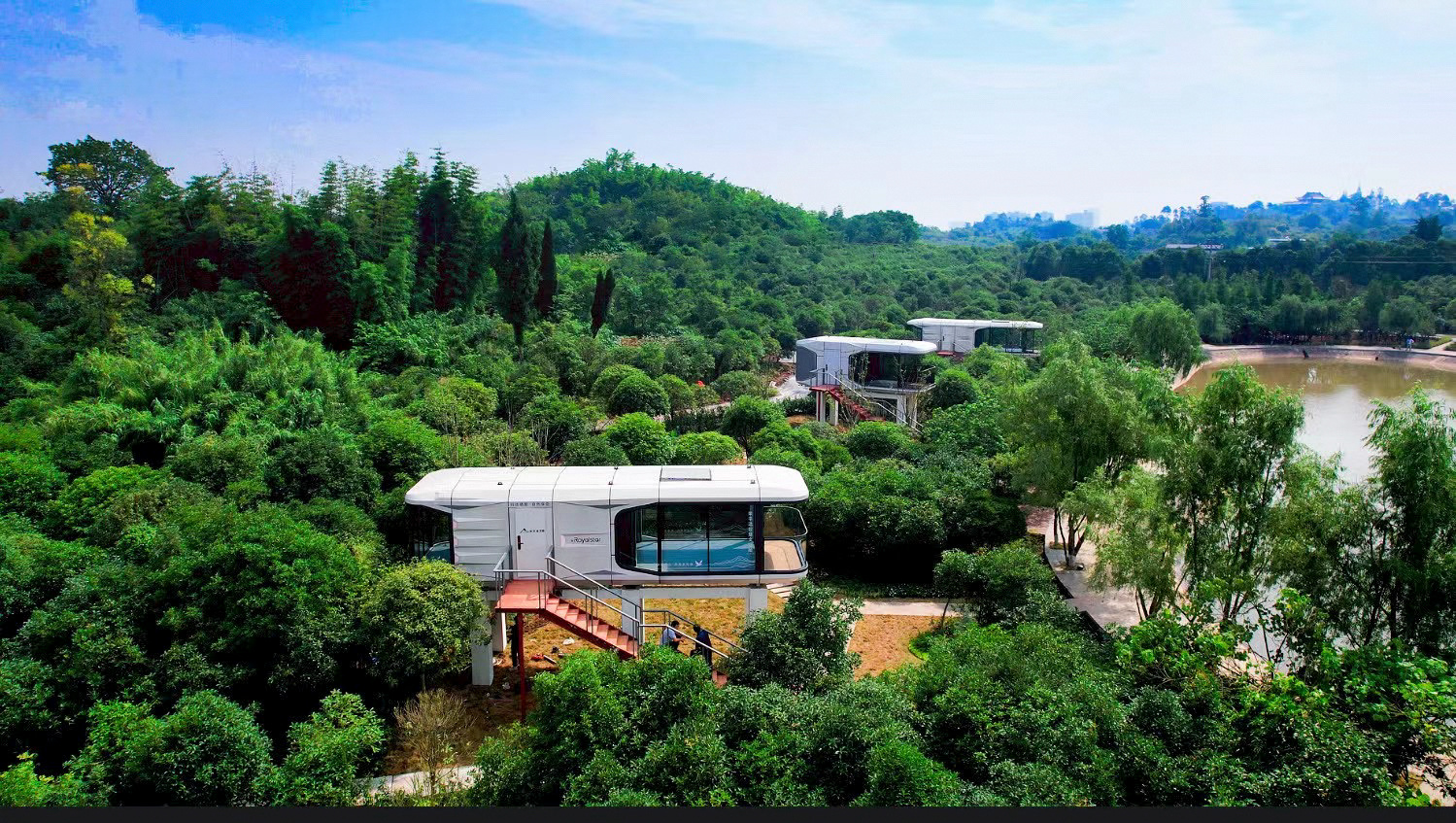
Prefab House: Efficient, Sustainable, and Flexible Building Solutions for Modern Living
The prefab house provides quick installation, durable construction, and flexible layouts, offering affordable and sustainable housing solutions.
Data:
2025-12-26 14:21
Prefab houses, also known as prefabricated houses or modular houses, represent a modern construction approach that combines efficiency, quality, and sustainability. Unlike traditional buildings constructed entirely on site, prefab houses are manufactured in controlled factory environments and then transported to the construction location for quick assembly. This method significantly reduces construction time, labor costs, and material waste, making prefab houses an increasingly popular choice for residential, commercial, and industrial applications worldwide.
One of the key advantages of prefab houses is speed of construction. Since most structural components such as frames, walls, floors, and roofs are pre-engineered and pre-assembled in factories, on-site work is minimized. This allows projects to be completed in weeks rather than months, which is especially beneficial for emergency housing, worker accommodation, remote projects, and fast-developing urban areas. The shortened construction cycle also reduces disruptions caused by weather conditions and improves overall project scheduling.
Prefab houses are designed with durability and structural reliability in mind. High-quality materials such as galvanized steel frames, sandwich panels, insulated boards, and fire-resistant components are commonly used. These materials provide strong resistance to wind, seismic activity, moisture, and corrosion, ensuring long service life and safety. Modern prefab houses also meet international building standards and can be customized to comply with local regulations and climate requirements.
Flexibility is another major benefit of prefab housing. Modular designs allow for various layouts, sizes, and functions, from single-family homes and villas to offices, schools, clinics, dormitories, and commercial spaces. Units can be expanded, relocated, or reconfigured as needs change, making prefab houses a highly adaptable solution. Interior finishes, exterior styles, insulation levels, and energy systems can all be tailored to customer preferences and project demands.
Sustainability plays a crucial role in the growing popularity of prefab houses. Factory-based production optimizes material usage and reduces construction waste. Many prefab houses are designed with energy-efficient features such as thermal insulation, double-glazed windows, solar panels, and water-saving systems. These features lower energy consumption, reduce carbon emissions, and support environmentally responsible development. Prefab houses also align well with green building concepts and circular economy practices.
From an economic perspective, prefab houses offer excellent cost control and value. Standardized production reduces material and labor expenses, while faster construction minimizes financing and management costs. Long-term savings are achieved through lower energy consumption and reduced maintenance requirements. For developers, governments, and private buyers, prefab houses provide a practical balance between affordability, quality, and performance.
In conclusion, prefab houses are an innovative building solution that addresses the challenges of modern construction. With advantages in speed, durability, flexibility, sustainability, and cost efficiency, they are well suited for a wide range of applications. As urbanization and environmental awareness continue to grow, prefab houses are expected to play an increasingly important role in providing safe, comfortable, and sustainable living and working spaces for the future.
Related News





+852 94671947
+971 553083850
Address
Building 2,Intersection of Fenglin Road and Shuangfeng Road, Shuangfeng Economic Development Zone, Hefei City, Anhui Province, China