-
-
-
Service Support

-
About Royalstar
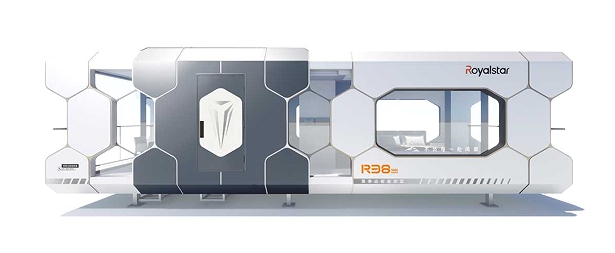

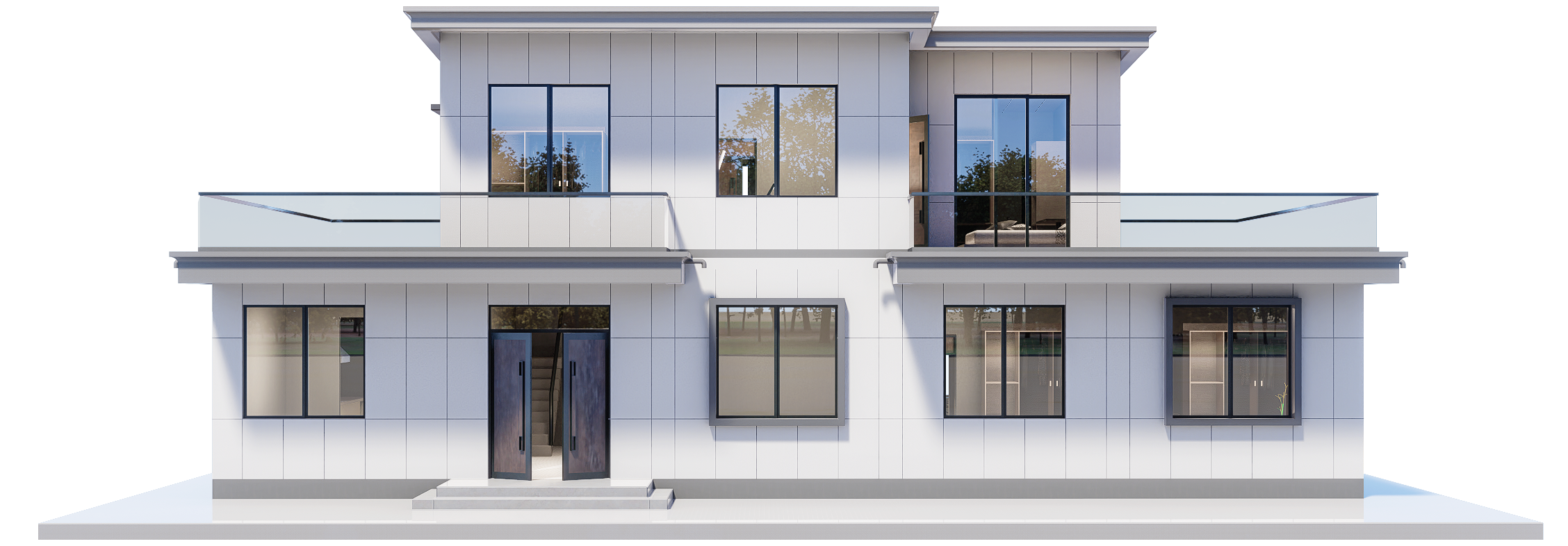
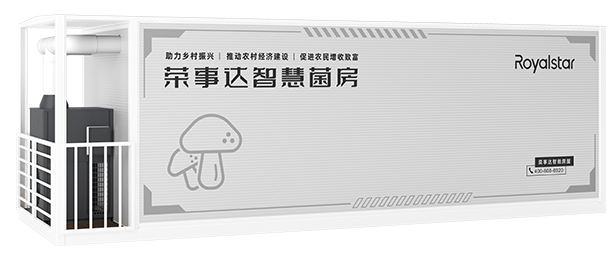
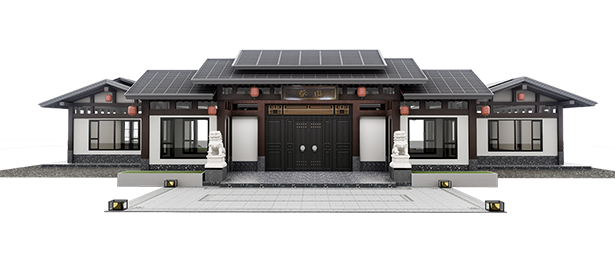


Prefab Homes: The Future of Modern, Efficient, and Sustainable Living
Prefab homes: Factory-built houses delivered in modules for quick, cost-effective, and customizable on-site assembly.
Data:
2026-01-26 11:00
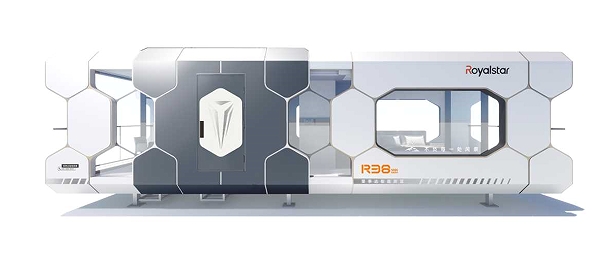
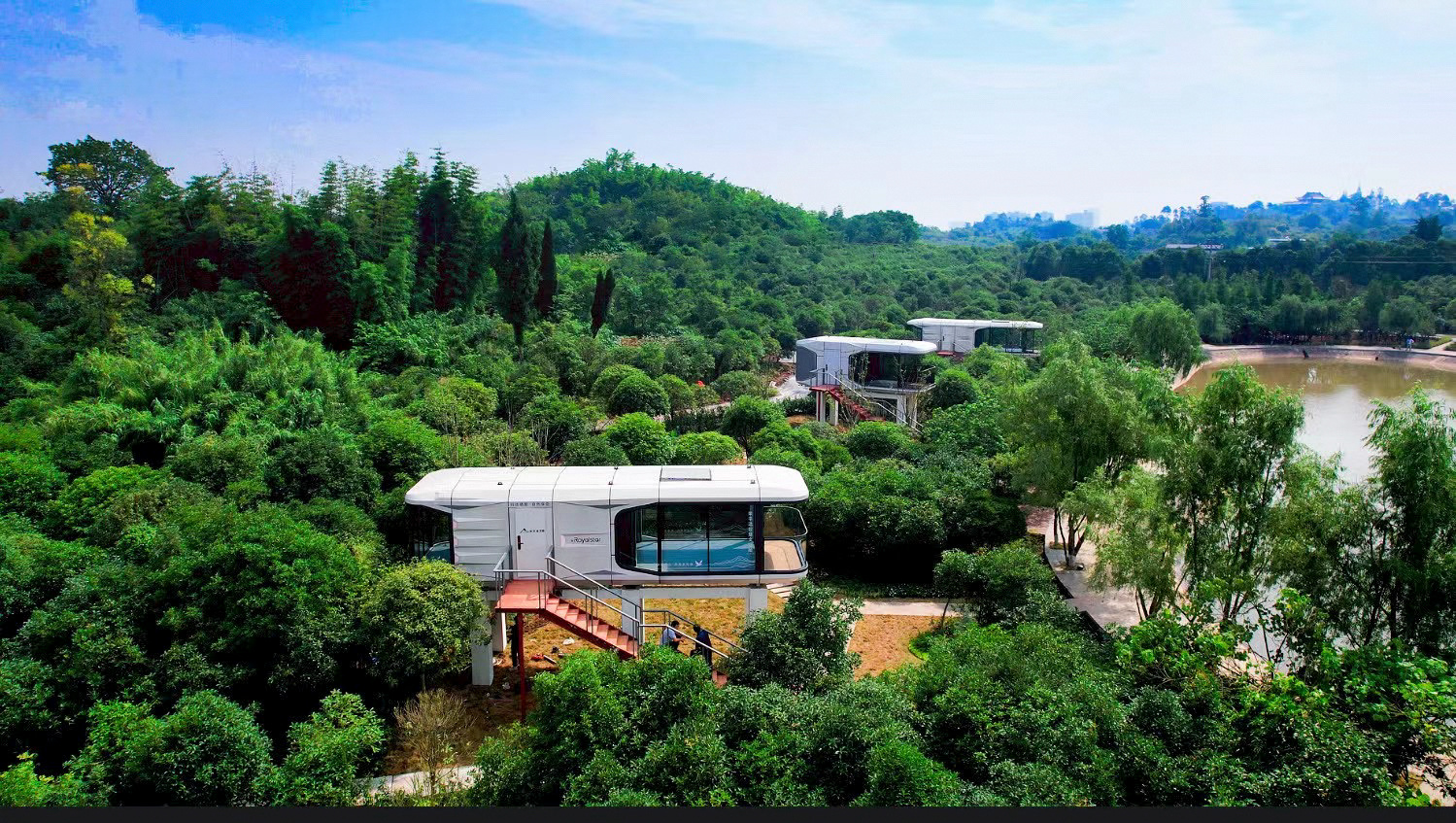
Prefab homes, also known as prefabricated or modular homes, represent a transformative approach to residential construction. Unlike traditional homes built entirely on-site, prefab homes are manufactured in controlled factory environments. Individual sections or modules of the house are prefabricated with precision, including walls, floors, roofs, plumbing, and electrical systems. Once completed, these modules are transported to the building site and assembled, dramatically reducing construction time.
One of the primary advantages of prefab homes is speed. Traditional construction can take months or even years, depending on design complexity, weather conditions, and labor availability. Prefab homes, however, can be completed in a fraction of the time because the on-site construction process primarily involves assembling pre-made components. This efficiency is particularly valuable in regions experiencing housing shortages or in projects requiring rapid deployment of homes.
Cost-effectiveness is another key benefit. Factory-controlled production minimizes material waste and labor costs, which are often higher in conventional construction. Additionally, the predictable manufacturing process reduces the risk of budget overruns. Homebuyers can also choose from a wide variety of designs and finishes without the hidden expenses often associated with traditional construction modifications.
Prefab homes are highly customizable. Modern modular designs offer flexibility in layout, size, and architectural style. From single-story cottages to multi-story luxury residences, prefab homes can accommodate diverse family needs and aesthetic preferences. Innovations in modular construction also allow for integration of smart home technology, sustainable energy systems, and eco-friendly materials. For example, energy-efficient insulation, solar panels, and water-saving fixtures can be incorporated during the manufacturing stage, enhancing both environmental sustainability and long-term cost savings.
Sustainability is another major advantage. Prefabrication generates significantly less construction waste than traditional methods. Materials are cut and assembled precisely, reducing leftover scraps and offcuts. Additionally, controlled factory conditions reduce the environmental impact associated with on-site construction, such as soil disruption, noise pollution, and dust emissions. Many prefab manufacturers also prioritize the use of recycled or renewable materials, further supporting eco-friendly building practices.
Prefab homes are not only practical but also durable. Advanced construction techniques ensure structural stability, fire resistance, and energy efficiency. Because components are built under strict quality control, issues such as leaks, cracks, and structural inconsistencies are less common compared to traditional construction. Furthermore, modern prefab homes are designed to withstand various environmental conditions, including heavy rain, wind, and seismic activity, making them suitable for diverse geographic locations.
The increasing popularity of prefab homes is driven by changing lifestyles and economic factors. Urbanization, population growth, and rising housing costs have created a demand for affordable, high-quality, and fast-to-build housing solutions. Prefab homes meet these needs by providing reliable, modern, and flexible living spaces. Governments and private developers are also recognizing the benefits, often incorporating prefab solutions in public housing projects, disaster relief initiatives, and commercial developments.
In conclusion, prefab homes combine speed, cost-efficiency, sustainability, and design flexibility, making them a compelling choice for modern living. As technology continues to advance, the quality, variety, and affordability of prefab homes are expected to increase further. These homes represent a practical and innovative solution for homeowners seeking environmentally conscious, high-quality, and adaptable residences, shaping the future of residential construction worldwide.
Related News





+852 94671947
+971 553083850
Address
Building 2,Intersection of Fenglin Road and Shuangfeng Road, Shuangfeng Economic Development Zone, Hefei City, Anhui Province, China