-
-
-
Service Support

-
About Royalstar
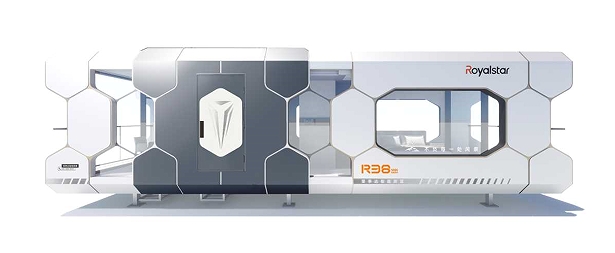

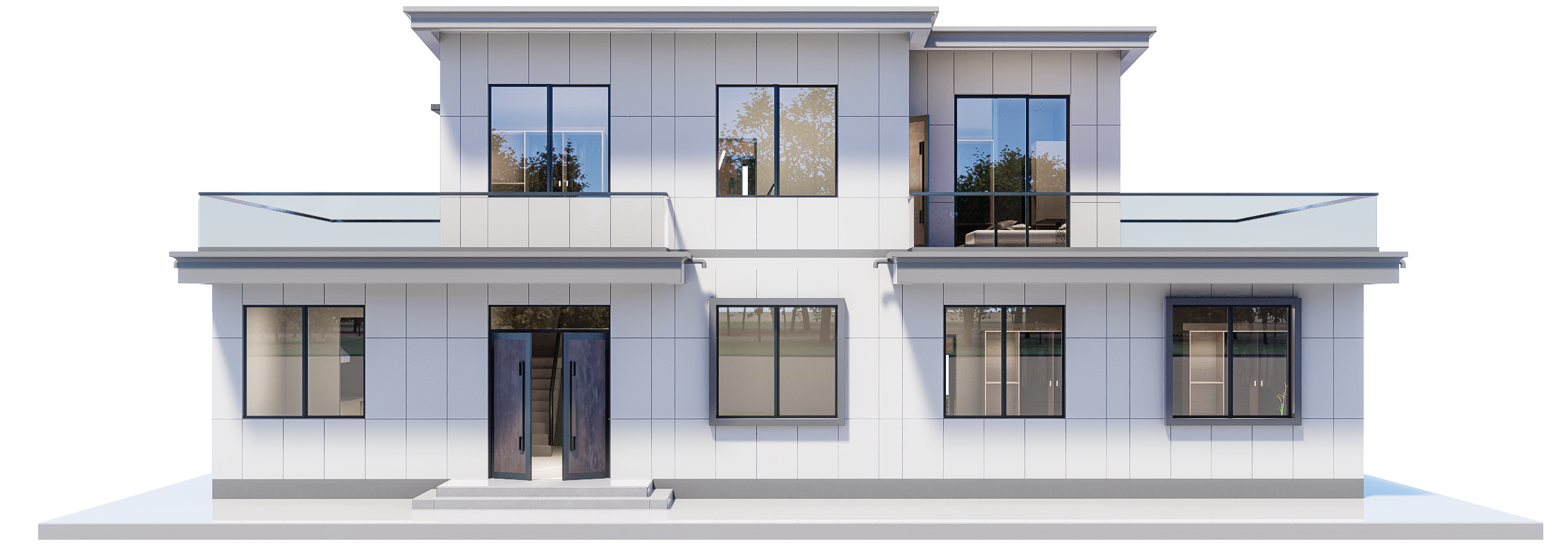
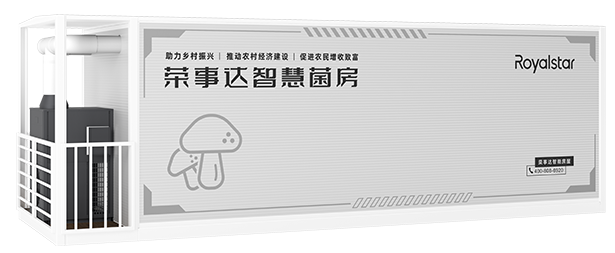
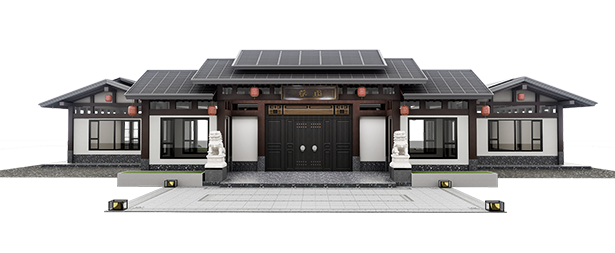




Exploring the Benefits of Prefab Houses for Smart Home Integration
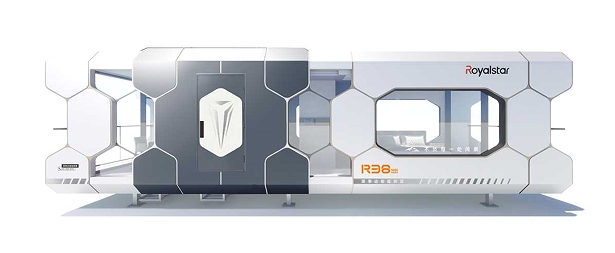
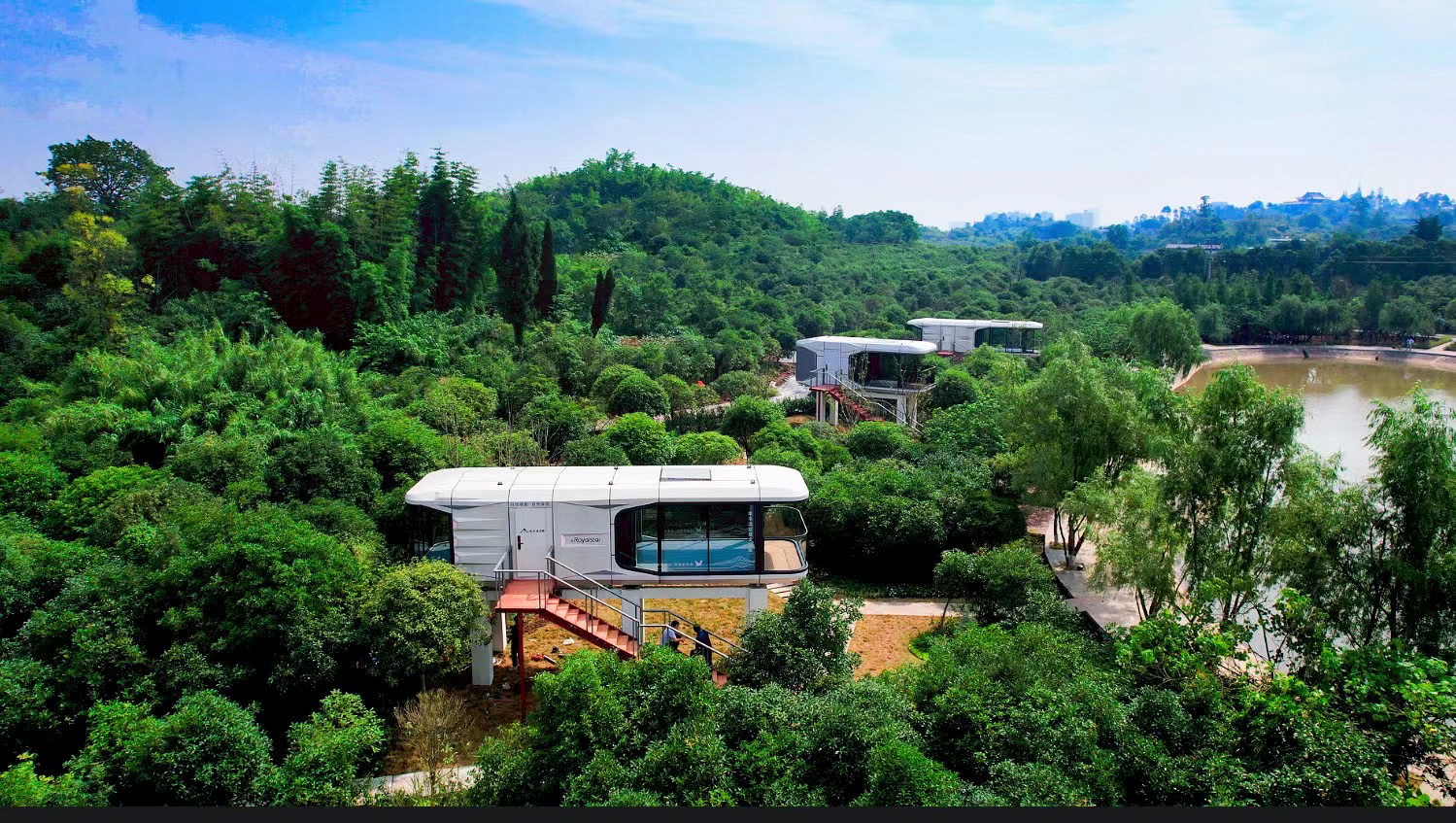
In recent years, the concept of prefab houses has gained significant attention as a modern, efficient alternative to traditional housing. Prefabricated homes, often referred to as prefab houses, are constructed off-site and then transported to their final location, where they are assembled. This innovative approach not only streamlines the building process but also opens up a world of possibilitie
Data:
2025-08-19 10:43
In recent years, the concept of prefab houses has gained significant attention as a modern, efficient alternative to traditional housing. Prefabricated homes, often referred to as prefab houses, are constructed off-site and then transported to their final location, where they are assembled. This innovative approach not only streamlines the building process but also opens up a world of possibilities for smart home integration, particularly in the context of safety and security.
One of the primary advantages of prefab houses is their construction speed. The off-site manufacturing process allows for reduced build times, often resulting in a quicker move-in date for homeowners. This efficiency can be particularly beneficial for those looking to integrate advanced security systems and other smart technologies since these installations can often be completed shortly after the home is assembled. Moreover, many prefab homes are designed with modern aesthetics and layouts that complement smart home devices, creating a cohesive and functional living environment.
Safety is another critical aspect of prefab houses. Many manufacturers employ high-quality materials and construction techniques that enhance the structural integrity and durability of the home. This is particularly important in areas prone to extreme weather conditions. Furthermore, prefab houses can be equipped with advanced security systems, such as smart locks, surveillance cameras, and motion sensors, which can be easily integrated into the home's design. This ensures that homeowners can enjoy peace of mind, knowing that their living space is secure and protected.
In addition to security systems, prefab homes are often designed with energy efficiency in mind. Many models come equipped with smart thermostats and energy monitoring systems that help homeowners manage their energy consumption effectively. This not only contributes to cost savings but also aligns with a sustainable lifestyle, which is increasingly important for modern consumers.
Another factor to consider is the customization options available with prefab houses. Homeowners can select specific features and layouts that suit their preferences, allowing for personalization while still benefiting from the efficiency of prefabricated construction. This customization extends to smart home technologies, where individuals can choose the systems that best fit their lifestyle, whether it's home automation, energy management, or enhanced security features.
In conclusion, prefab houses offer a unique opportunity for those looking to integrate smart home technologies into their living spaces. With benefits ranging from rapid construction and energy efficiency to enhanced safety features, these homes are not only modern but also practical. As the demand for smart living solutions continues to grow, prefab houses stand out as a viable option for individuals seeking to embrace a secure and intelligent lifestyle. By considering a prefab house, homeowners can take a significant step towards a safer, smarter future.
Related News




+852 94671947
+971 553083850
Address
Building 2,Intersection of Fenglin Road and Shuangfeng Road, Shuangfeng Economic Development Zone, Hefei City, Anhui Province, China