-
-
-
Service Support

-
About Royalstar




Exploring the Benefits of Modular Homes in Smart Home Security
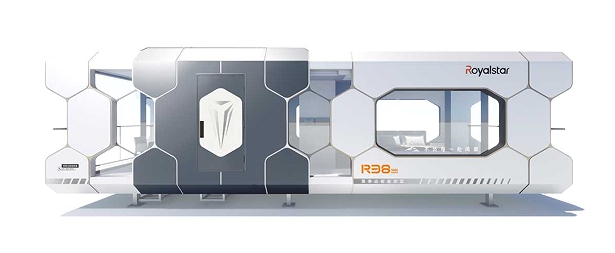
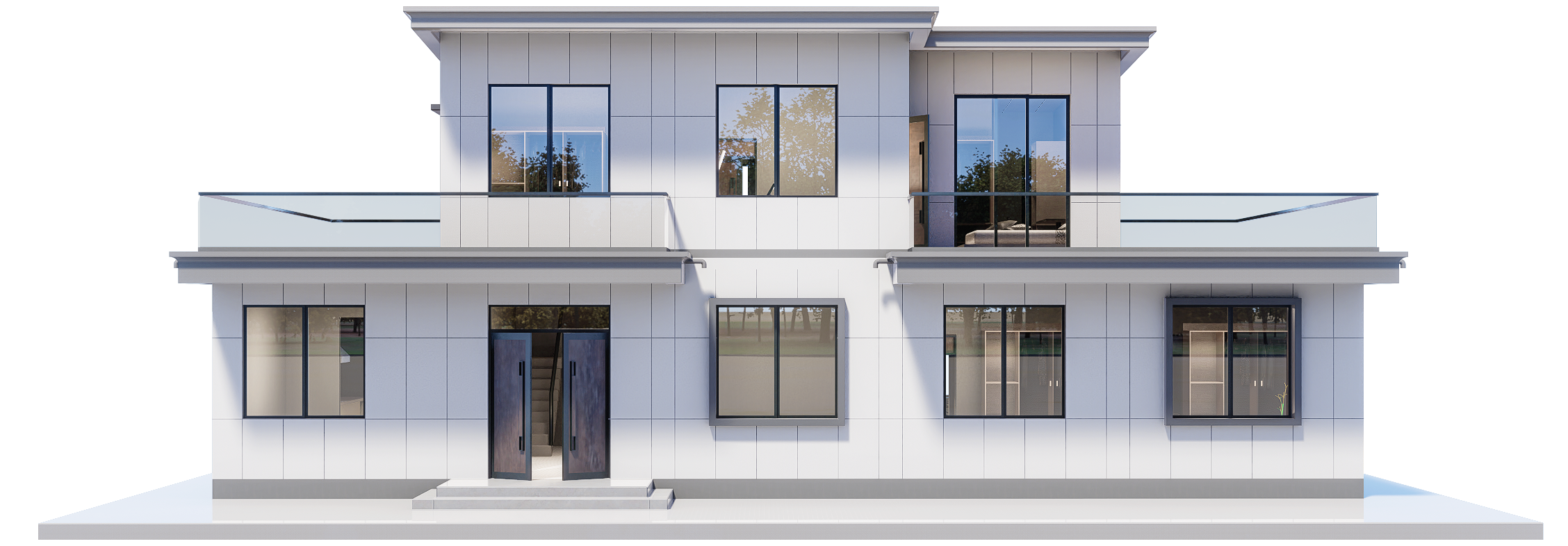
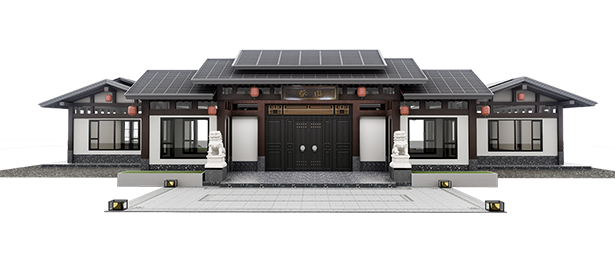
Modular homes have gained significant popularity due to their innovative construction methods and customizable designs. These homes are built in sections or modules in a factory setting and then assembled on-site, which allows for greater efficiency and often faster completion times compared to traditional home building. One of the standout features of modular homes is their compatibility with sma
Data:
2026-09-28 10:40
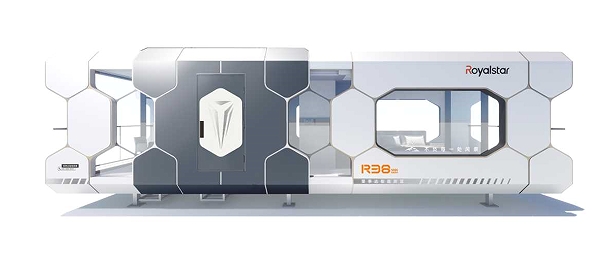
Modular homes have gained significant popularity due to their innovative construction methods and customizable designs. These homes are built in sections or modules in a factory setting and then assembled on-site, which allows for greater efficiency and often faster completion times compared to traditional home building. One of the standout features of modular homes is their compatibility with smart home technology, especially in the realm of safety and security.
The integration of smart technology into modular homes can significantly enhance the security of the property. Many modular home manufacturers now offer pre-wired options that allow homeowners to easily incorporate smart security systems, such as surveillance cameras, motion detectors, and smart locks. This level of integration ensures that the home is not only aesthetically pleasing but also equipped with advanced security features that can deter potential intruders.
Moreover, modular homes can be designed with specific safety features in mind. For instance, using materials that are fire-resistant or incorporating advanced insulation can improve the overall safety of the home. Additionally, many modular construction companies are now focusing on environmentally friendly materials that not only promote sustainability but also contribute to a safer living environment.
One of the key advantages of modular homes is their adaptability. Homeowners can choose to install various smart home systems that suit their unique needs and preferences. For example, a modular home can easily accommodate a comprehensive home automation system that controls lighting, climate, and security features from a single interface. This integration allows homeowners to monitor their property remotely through mobile devices, providing peace of mind when away from home.
Furthermore, modular homes often come with warranties and support that can provide additional reassurance to homeowners. When selecting smart home security systems, it's crucial to consider compatibility with existing technology. Modular homes offer the flexibility to upgrade or modify security systems as technology evolves, ensuring that homeowners can keep up with the latest advancements in home security.
In conclusion, modular homes represent a forward-thinking approach to home construction that aligns perfectly with the demands of modern smart home security. Their inherent design flexibility, scalability, and compatibility with cutting-edge technology make them an ideal choice for those prioritizing safety and protection. As homeowners continue to seek innovative solutions to enhance their living environments, modular homes are poised to play a significant role in shaping the future of smart home security.
Related News






+852 94671947
+971 553083850
Address
Building 2,Intersection of Fenglin Road and Shuangfeng Road, Shuangfeng Economic Development Zone, Hefei City, Anhui Province, China