-
-
-
Service Support

-
About Royalstar




Understanding Prefab Houses: A Modern Approach to Smart Living
Prefab houses, short for prefabricated houses, are constructed off-site and assembled on location, offering a unique blend of efficiency and flexibility in home building. This approach has gained popularity due to its quick construction time, reduced waste, and customizable options. For individuals and families looking to enhance their living environment, incorporating smart home technology into p
Data:
2026-09-14 14:50
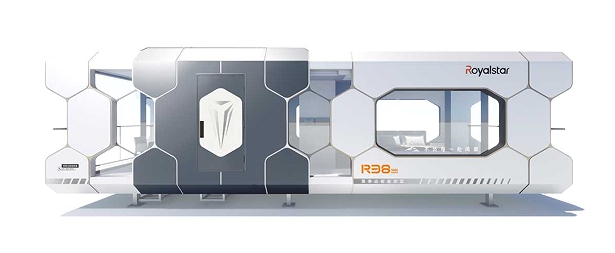
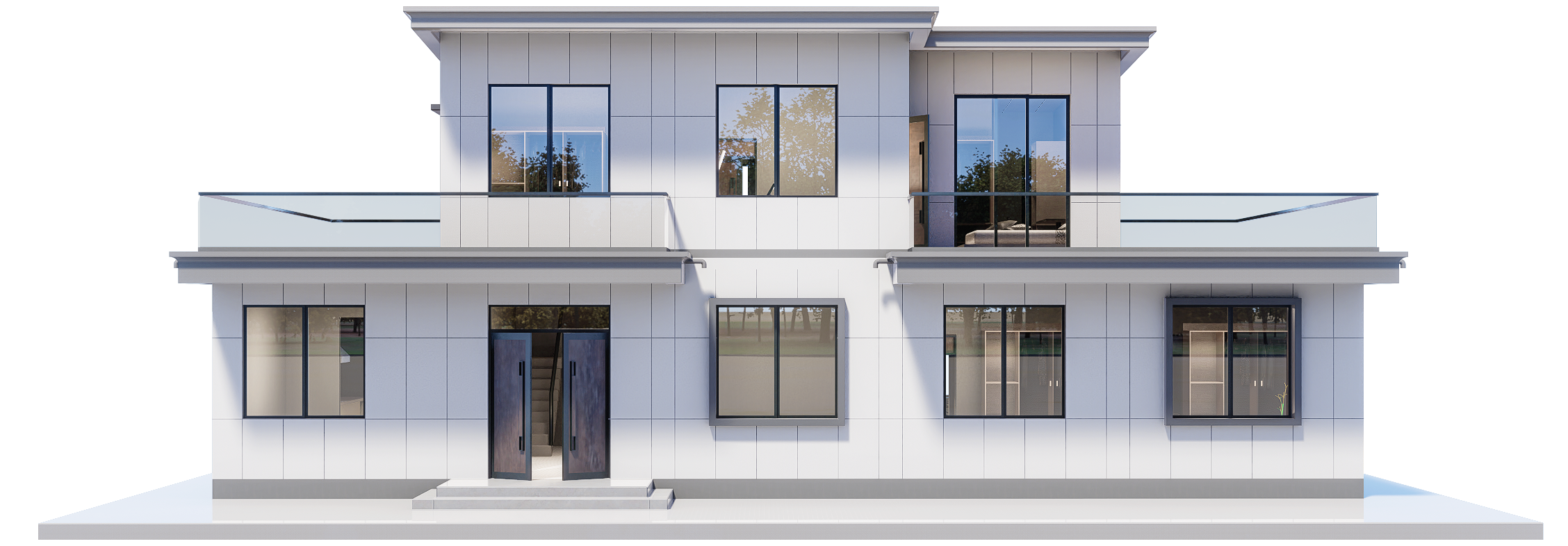
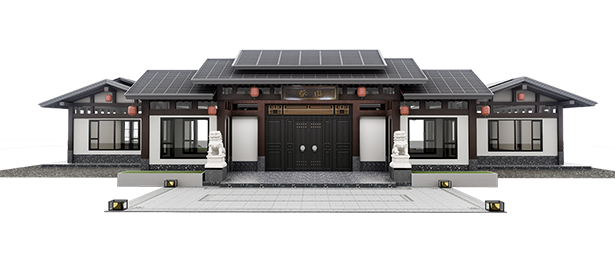
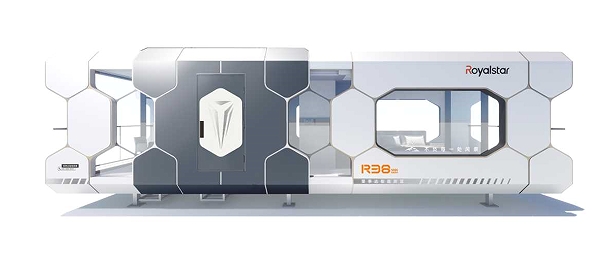
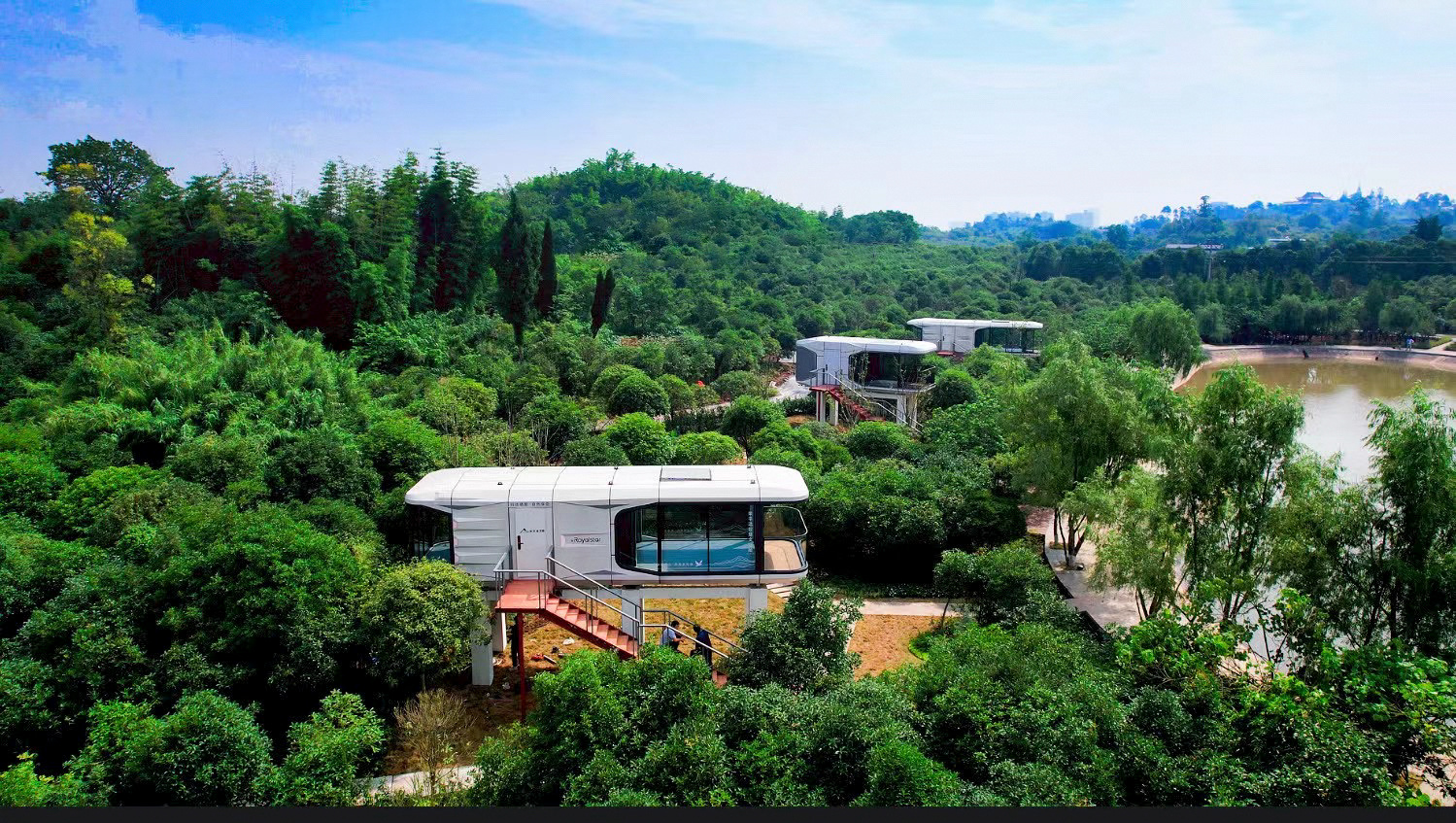
Prefab houses, short for prefabricated houses, are constructed off-site and assembled on location, offering a unique blend of efficiency and flexibility in home building. This approach has gained popularity due to its quick construction time, reduced waste, and customizable options. For individuals and families looking to enhance their living environment, incorporating smart home technology into prefab houses can significantly elevate safety and convenience.
One of the key advantages of prefab houses is their adaptability. Homeowners can select from various designs and layouts, allowing for personalization that suits individual lifestyles. This modular approach not only accommodates diverse aesthetic preferences but also integrates well with smart home systems. These systems can be tailored to include security features such as surveillance cameras, smart locks, and motion detectors, all of which can be seamlessly incorporated into the prefab structure.
Safety is a primary concern for homeowners, and prefab houses can be equipped with innovative smart home security solutions. For example, advanced alarm systems can provide real-time alerts and remote monitoring capabilities, ensuring that residents are always aware of their home’s security status. Moreover, integrating these systems during the construction phase can streamline the installation process and avoid potential modifications later, making the home both secure and efficient.
In addition to security, smart home technology can enhance energy efficiency within prefab houses. Homeowners can integrate smart thermostats, lighting systems, and energy monitoring devices that help optimize energy consumption. These smart devices not only contribute to lower energy bills but also promote sustainable living, which is increasingly appealing in today’s environmentally conscious society.
Furthermore, prefab houses can incorporate advanced fire detection and prevention systems. Smart smoke detectors can send alerts directly to homeowners' smartphones, ensuring immediate attention in case of emergencies. This proactive approach to safety is particularly beneficial for families with young children or elderly members, providing peace of mind for all residents.
In summary, prefab houses represent a modern solution for those looking to build a secure and intelligent living environment. By leveraging the advantages of prefabrication along with cutting-edge smart home technology, homeowners can create spaces that are not only aesthetically pleasing but also equipped with essential safety features. As the trend of smart living continues to grow, incorporating these elements into prefab houses will undoubtedly enhance the overall living experience.
Related News




+852 94671947
+971 553083850
Address
Building 2,Intersection of Fenglin Road and Shuangfeng Road, Shuangfeng Economic Development Zone, Hefei City, Anhui Province, China