-
-
-
Service Support

-
About Royalstar





Exploring the Safety and Efficiency of Modular Homes in Smart Living
Modular homes are increasingly gaining attention in the housing market due to their efficient construction methods and customizable designs. These homes are built off-site in sections or modules, which are then transported and assembled on the building site. This approach not only reduces construction time but also allows for more precision and quality control during the building process. One of t
Data:
2026-03-02 09:40
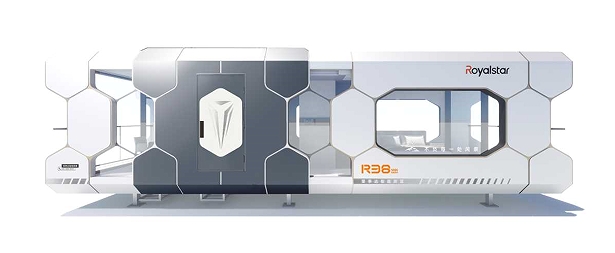
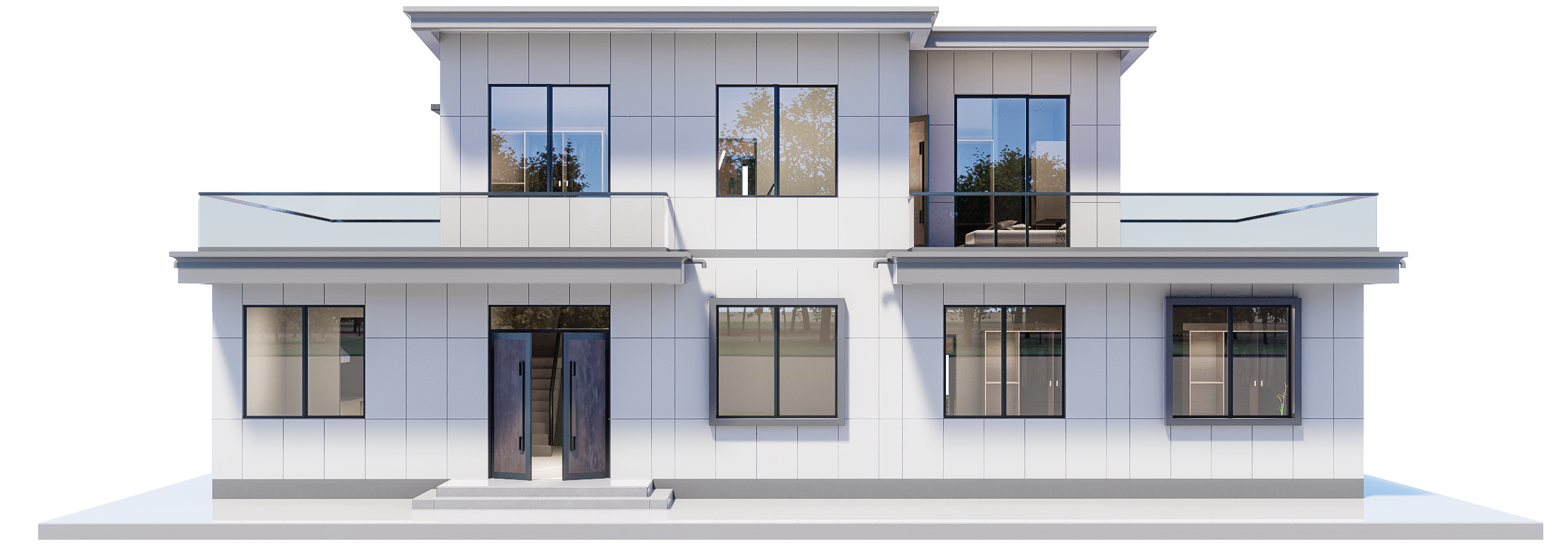
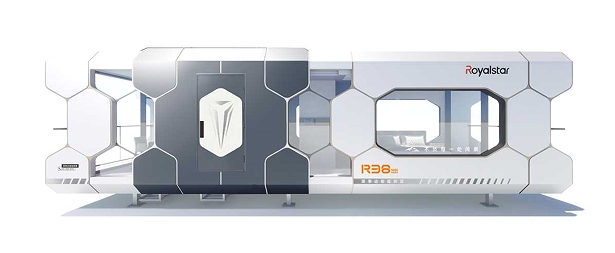
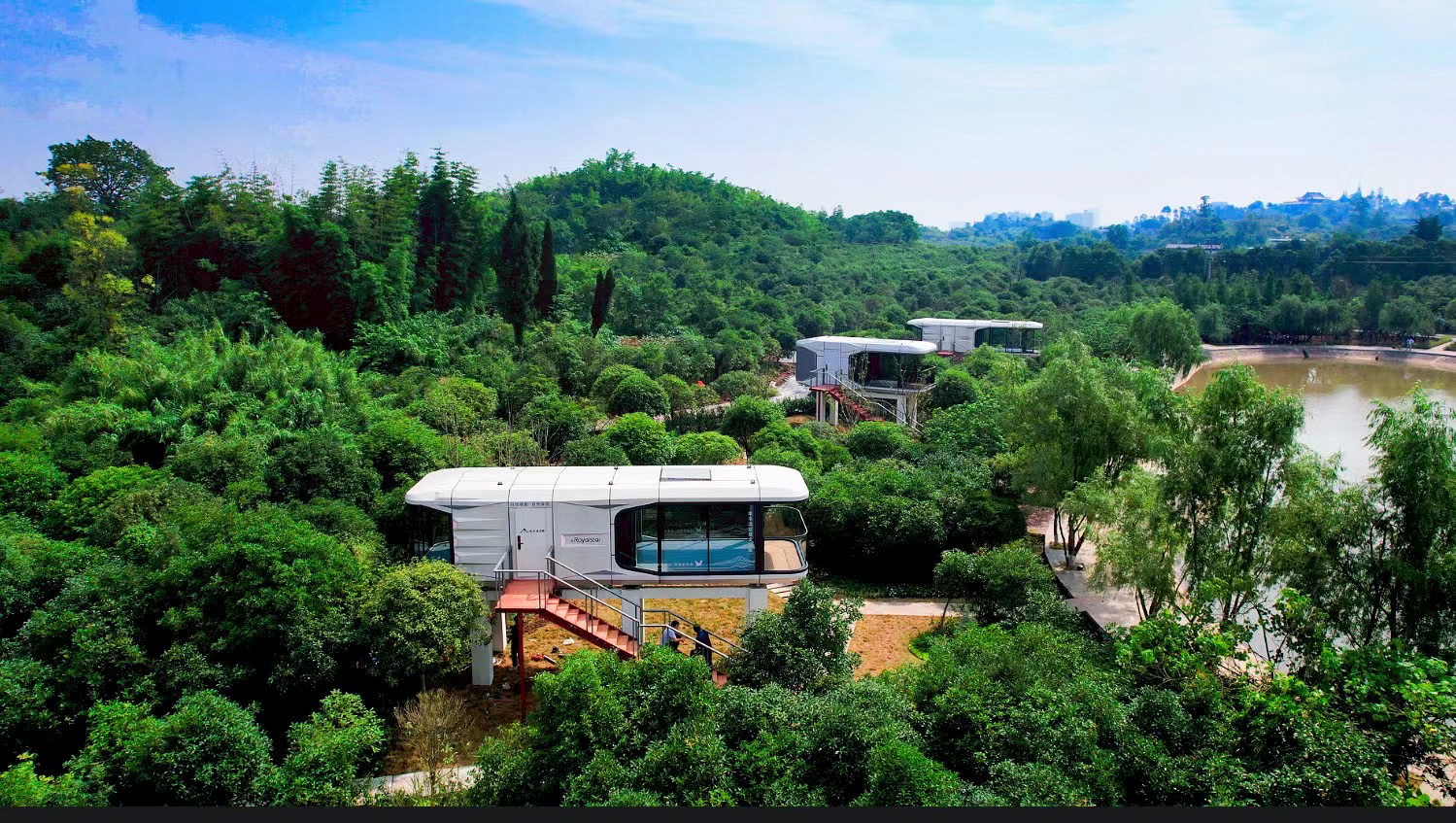
Modular homes are increasingly gaining attention in the housing market due to their efficient construction methods and customizable designs. These homes are built off-site in sections or modules, which are then transported and assembled on the building site. This approach not only reduces construction time but also allows for more precision and quality control during the building process. One of the critical advantages of modular homes is their ability to incorporate advanced safety and smart home technologies.
Safety is a paramount concern in any residential environment. Modular homes can be designed with enhanced structural integrity, often utilizing materials that exceed standard building codes. This is particularly important in areas prone to natural disasters such as hurricanes and earthquakes. The controlled factory setting in which modular homes are built means that manufacturers can implement rigorous quality checks and utilize modern engineering techniques to ensure the durability of their structures. Additionally, smart home systems can be seamlessly integrated into modular designs to further enhance safety. For example, smart smoke detectors and security cameras can be installed that not only alert residents of potential dangers but also provide real-time surveillance, ensuring peace of mind.
Furthermore, the energy efficiency of modular homes contributes to their overall safety. Modern modular homes often incorporate energy-efficient insulation, windows, and heating systems that help maintain a stable indoor climate. This minimizes the risks associated with extreme temperatures and air quality issues, which can lead to health concerns. For homeowners looking for sustainability, energy-efficient features can greatly reduce utility costs and environmental impact.
The incorporation of smart technology in modular homes also plays a crucial role in enhancing safety. Automated systems can control everything from lighting to security features, allowing residents to manage their home environment remotely. For instance, smart locks and surveillance systems can be monitored via smartphones, ensuring that homeowners can keep an eye on their property from anywhere. Additionally, smart home systems can alert homeowners in case of emergencies, such as fire or flooding, allowing for quicker response times and potentially saving lives.
In summary, modular homes present a compelling option for the modern homeowner, offering a blend of safety, efficiency, and advanced technology. Their innovative design process and ability to integrate smart home features not only enhance the living experience but also ensure that safety remains a top priority. As interest in modular construction continues to rise, understanding their benefits can aid potential buyers in making informed decisions about their home investments.
Safety is a paramount concern in any residential environment. Modular homes can be designed with enhanced structural integrity, often utilizing materials that exceed standard building codes. This is particularly important in areas prone to natural disasters such as hurricanes and earthquakes. The controlled factory setting in which modular homes are built means that manufacturers can implement rigorous quality checks and utilize modern engineering techniques to ensure the durability of their structures. Additionally, smart home systems can be seamlessly integrated into modular designs to further enhance safety. For example, smart smoke detectors and security cameras can be installed that not only alert residents of potential dangers but also provide real-time surveillance, ensuring peace of mind.
Furthermore, the energy efficiency of modular homes contributes to their overall safety. Modern modular homes often incorporate energy-efficient insulation, windows, and heating systems that help maintain a stable indoor climate. This minimizes the risks associated with extreme temperatures and air quality issues, which can lead to health concerns. For homeowners looking for sustainability, energy-efficient features can greatly reduce utility costs and environmental impact.
The incorporation of smart technology in modular homes also plays a crucial role in enhancing safety. Automated systems can control everything from lighting to security features, allowing residents to manage their home environment remotely. For instance, smart locks and surveillance systems can be monitored via smartphones, ensuring that homeowners can keep an eye on their property from anywhere. Additionally, smart home systems can alert homeowners in case of emergencies, such as fire or flooding, allowing for quicker response times and potentially saving lives.
In summary, modular homes present a compelling option for the modern homeowner, offering a blend of safety, efficiency, and advanced technology. Their innovative design process and ability to integrate smart home features not only enhance the living experience but also ensure that safety remains a top priority. As interest in modular construction continues to rise, understanding their benefits can aid potential buyers in making informed decisions about their home investments.
Related News






+852 94671947
+971 553083850
Address
Building 2,Intersection of Fenglin Road and Shuangfeng Road, Shuangfeng Economic Development Zone, Hefei City, Anhui Province, China
这里是占位文字