-
-
-
Service Support

-
About Royalstar






Exploring the Benefits of Modular Homes in Smart Home Security
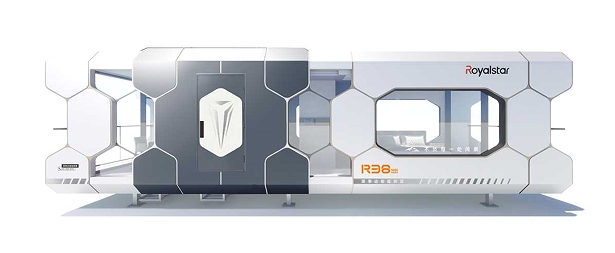
Modular homes have gained considerable attention in recent years, primarily due to their innovative construction methods and flexibility. These homes are prefabricated in sections in a controlled factory environment, which are then transported to the building site and assembled. This efficiency in construction not only results in reduced building time but also offers various advantages, especially
Data:
2025-11-18 13:50
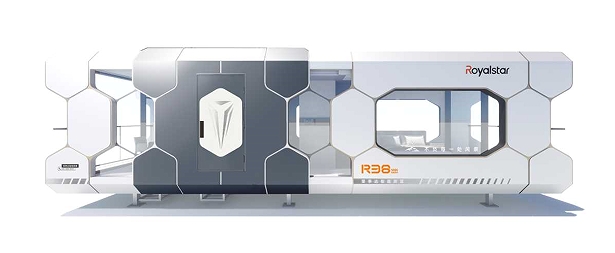
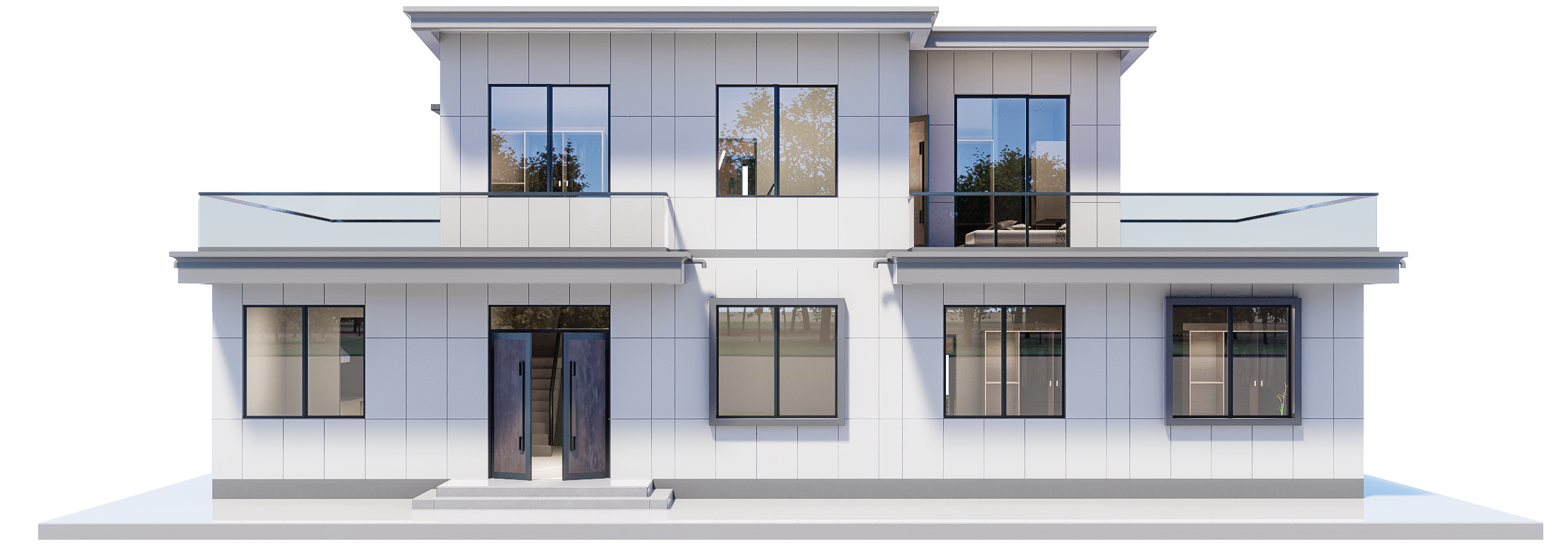
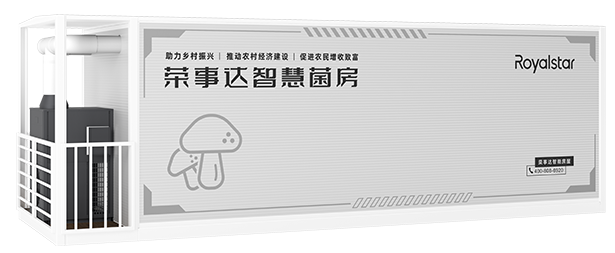
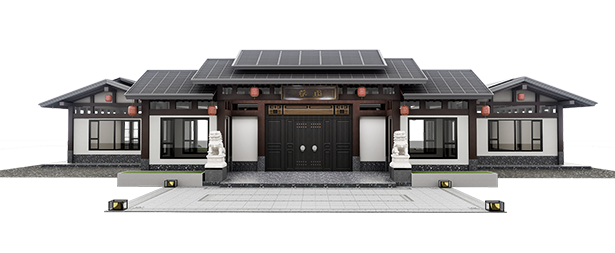
Modular homes have gained considerable attention in recent years, primarily due to their innovative construction methods and flexibility. These homes are prefabricated in sections in a controlled factory environment, which are then transported to the building site and assembled. This efficiency in construction not only results in reduced building time but also offers various advantages, especially in the realm of smart home technologies and security.
One of the key benefits of modular homes is their ability to seamlessly integrate smart home security systems. Homeowners can choose from a variety of advanced security features, including smart locks, surveillance cameras, and alarm systems, all designed to enhance safety and provide peace of mind. These systems can easily be incorporated during the construction phase, ensuring that the home is not only secure but also capable of adapting to future technological advancements.
Moreover, modular homes are often engineered with energy efficiency in mind, which can be a significant factor in a homeowner's decision-making process. Many smart security systems are designed to work efficiently with energy-efficient homes, offering features like remote monitoring and control via mobile applications. This means that homeowners can monitor their properties in real-time, receive alerts, and even control their security devices from anywhere, thereby facilitating a comprehensive security approach.
In addition to security integration, modular homes can be equipped with various smart home devices that enhance overall safety and convenience. For instance, smart lighting can be programmed to simulate occupancy, deterring potential intruders. Environmental sensors can alert homeowners to smoke, carbon monoxide, or water leaks, contributing to a safer living environment. These features not only provide immediate alerts but can also be linked to central monitoring systems for enhanced protection.
Another significant advantage of modular homes is their scalability. As the needs of a homeowner change, additional modules can be added to accommodate new requirements, including advanced security features. This adaptability makes modular homes particularly appealing to families or individuals who might expand their living space in the future while ensuring that security measures evolve in tandem.
Lastly, the construction process of modular homes often adheres to strict building codes and regulations, which means that they are built with high-quality materials designed to withstand various environmental factors. This durability is crucial for smart home security equipment, which might be susceptible to tampering or environmental damage. A well-constructed modular home provides a solid foundation for installing cutting-edge security technology.
In conclusion, modular homes represent a forward-thinking approach to housing that integrates seamlessly with advanced smart home security solutions. Their unique construction methods, energy efficiency, and adaptability make them a compelling choice for homeowners looking to enhance safety and protect their investments. As the demand for smart home technologies continues to grow, modular homes are well-positioned to meet these evolving needs, ensuring a secure and sustainable living environment.
One of the key benefits of modular homes is their ability to seamlessly integrate smart home security systems. Homeowners can choose from a variety of advanced security features, including smart locks, surveillance cameras, and alarm systems, all designed to enhance safety and provide peace of mind. These systems can easily be incorporated during the construction phase, ensuring that the home is not only secure but also capable of adapting to future technological advancements.
Moreover, modular homes are often engineered with energy efficiency in mind, which can be a significant factor in a homeowner's decision-making process. Many smart security systems are designed to work efficiently with energy-efficient homes, offering features like remote monitoring and control via mobile applications. This means that homeowners can monitor their properties in real-time, receive alerts, and even control their security devices from anywhere, thereby facilitating a comprehensive security approach.
In addition to security integration, modular homes can be equipped with various smart home devices that enhance overall safety and convenience. For instance, smart lighting can be programmed to simulate occupancy, deterring potential intruders. Environmental sensors can alert homeowners to smoke, carbon monoxide, or water leaks, contributing to a safer living environment. These features not only provide immediate alerts but can also be linked to central monitoring systems for enhanced protection.
Another significant advantage of modular homes is their scalability. As the needs of a homeowner change, additional modules can be added to accommodate new requirements, including advanced security features. This adaptability makes modular homes particularly appealing to families or individuals who might expand their living space in the future while ensuring that security measures evolve in tandem.
Lastly, the construction process of modular homes often adheres to strict building codes and regulations, which means that they are built with high-quality materials designed to withstand various environmental factors. This durability is crucial for smart home security equipment, which might be susceptible to tampering or environmental damage. A well-constructed modular home provides a solid foundation for installing cutting-edge security technology.
In conclusion, modular homes represent a forward-thinking approach to housing that integrates seamlessly with advanced smart home security solutions. Their unique construction methods, energy efficiency, and adaptability make them a compelling choice for homeowners looking to enhance safety and protect their investments. As the demand for smart home technologies continues to grow, modular homes are well-positioned to meet these evolving needs, ensuring a secure and sustainable living environment.
Related News






+852 94671947
+971 553083850
Address
Building 2,Intersection of Fenglin Road and Shuangfeng Road, Shuangfeng Economic Development Zone, Hefei City, Anhui Province, China