-
-
-
Service Support

-
About Royalstar





Understanding Modular Homes: A Modern Approach to Smart Living
Modular homes represent a significant shift in the construction industry, offering a unique blend of efficiency, customization, and sustainability. Unlike traditional homes, modular homes are prefabricated in a factory setting and then transported to the construction site for assembly. This process not only speeds up construction time but also allows for a high level of precision and quality contr
Data:
2025-10-29 13:10
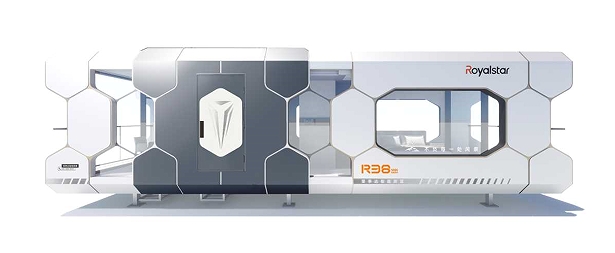
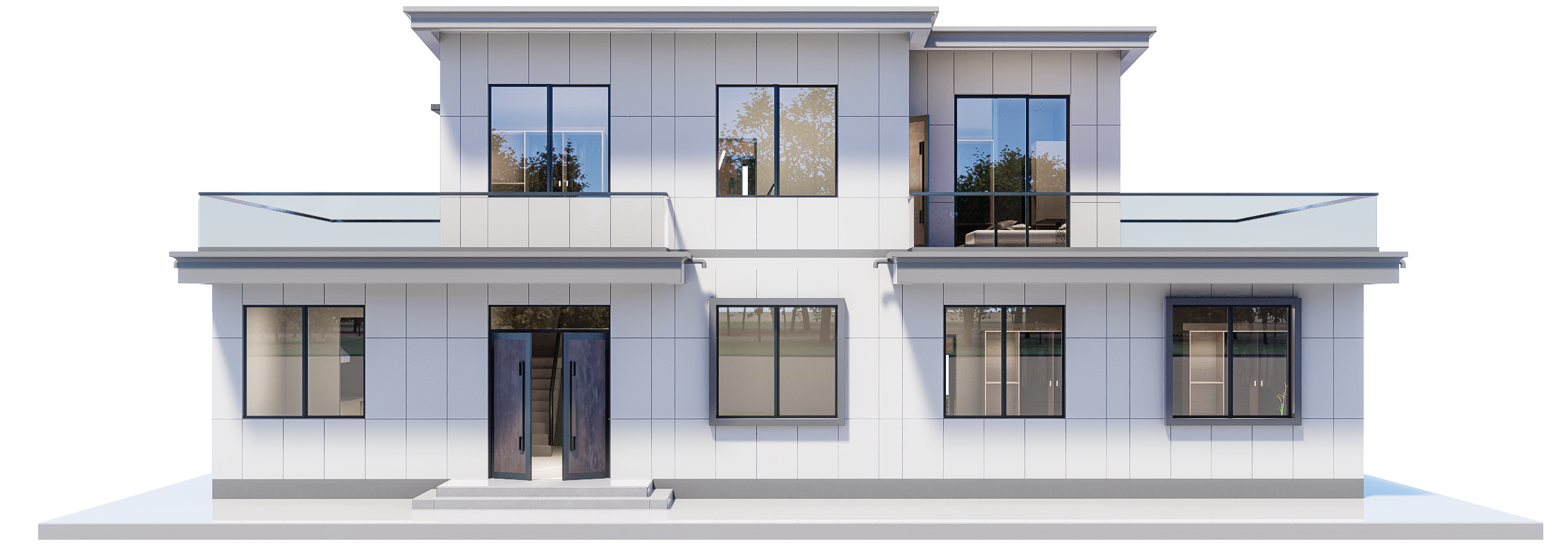
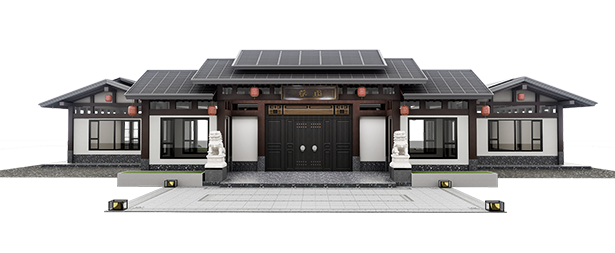
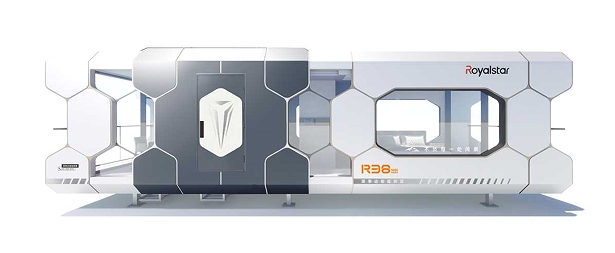
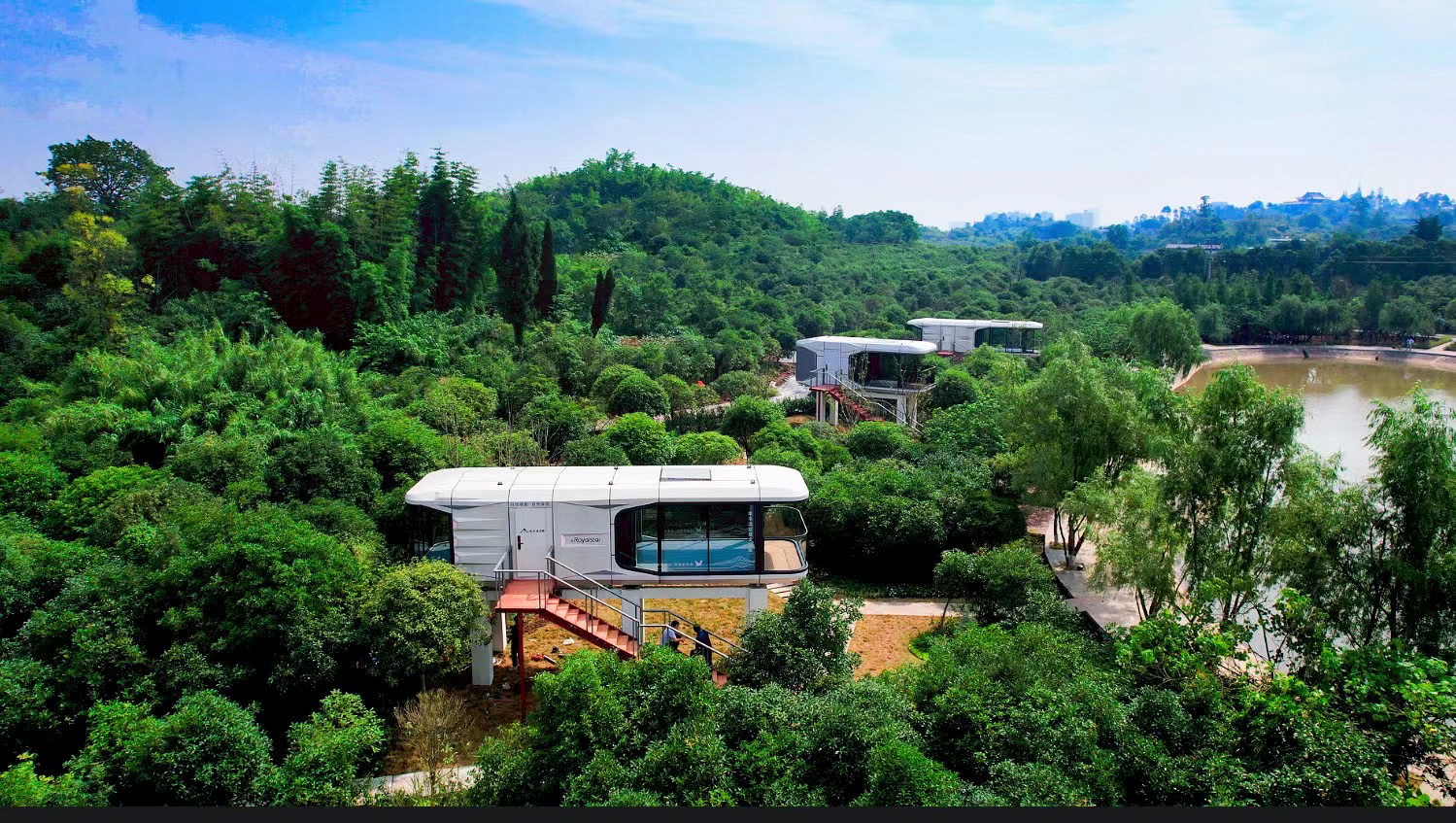
Modular homes represent a significant shift in the construction industry, offering a unique blend of efficiency, customization, and sustainability. Unlike traditional homes, modular homes are prefabricated in a factory setting and then transported to the construction site for assembly. This process not only speeds up construction time but also allows for a high level of precision and quality control. For professionals considering modular homes, it’s essential to understand their benefits, especially regarding safety and smart home technologies.
One of the most compelling advantages of modular homes is their adaptability. They can be designed to meet specific lifestyle needs, which is particularly beneficial for professionals who require functional spaces for home offices or family areas. The modular approach allows for various configurations and designs, accommodating everything from small, compact models to larger, multi-story homes. This flexibility is an attractive feature for those looking to invest in real estate or seeking a custom living space that aligns with their personal or professional requirements.
Safety is another critical aspect to consider when exploring modular homes. These structures are built to meet stringent building codes and regulations, often exceeding those applied to traditional homes. Modular homes are designed with durability in mind, making them resilient against environmental factors. For homeowners interested in integrating safety features, modular homes can be equipped with advanced security systems, including smart locks, surveillance cameras, and alarm systems. This capability enhances peace of mind, especially for professionals who may travel frequently or have valuable assets at home.
Furthermore, the integration of smart home technologies in modular homes creates a connected living environment. Homeowners can control various systems—such as lighting, heating, and security—through centralized smart devices. This not only improves convenience but also allows for energy efficiency, which is increasingly important in today's eco-conscious society. Modular homes can easily incorporate energy-efficient appliances and systems, reducing overall utility costs and environmental impact.
In conclusion, modular homes offer a modern solution for professionals seeking a blend of safety and smart living. Their customizable nature, coupled with the ability to integrate advanced technologies, positions them as an excellent option for those who value efficiency without compromising on style or security. As the demand for such innovative housing solutions continues to grow, understanding the benefits of modular homes can help you make informed decisions tailored to your lifestyle and needs.
One of the most compelling advantages of modular homes is their adaptability. They can be designed to meet specific lifestyle needs, which is particularly beneficial for professionals who require functional spaces for home offices or family areas. The modular approach allows for various configurations and designs, accommodating everything from small, compact models to larger, multi-story homes. This flexibility is an attractive feature for those looking to invest in real estate or seeking a custom living space that aligns with their personal or professional requirements.
Safety is another critical aspect to consider when exploring modular homes. These structures are built to meet stringent building codes and regulations, often exceeding those applied to traditional homes. Modular homes are designed with durability in mind, making them resilient against environmental factors. For homeowners interested in integrating safety features, modular homes can be equipped with advanced security systems, including smart locks, surveillance cameras, and alarm systems. This capability enhances peace of mind, especially for professionals who may travel frequently or have valuable assets at home.
Furthermore, the integration of smart home technologies in modular homes creates a connected living environment. Homeowners can control various systems—such as lighting, heating, and security—through centralized smart devices. This not only improves convenience but also allows for energy efficiency, which is increasingly important in today's eco-conscious society. Modular homes can easily incorporate energy-efficient appliances and systems, reducing overall utility costs and environmental impact.
In conclusion, modular homes offer a modern solution for professionals seeking a blend of safety and smart living. Their customizable nature, coupled with the ability to integrate advanced technologies, positions them as an excellent option for those who value efficiency without compromising on style or security. As the demand for such innovative housing solutions continues to grow, understanding the benefits of modular homes can help you make informed decisions tailored to your lifestyle and needs.
Related News






+852 94671947
+971 553083850
Address
Building 2,Intersection of Fenglin Road and Shuangfeng Road, Shuangfeng Economic Development Zone, Hefei City, Anhui Province, China