-
-
-
Service Support

-
About Royalstar
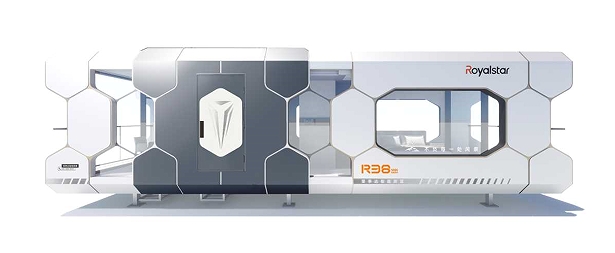

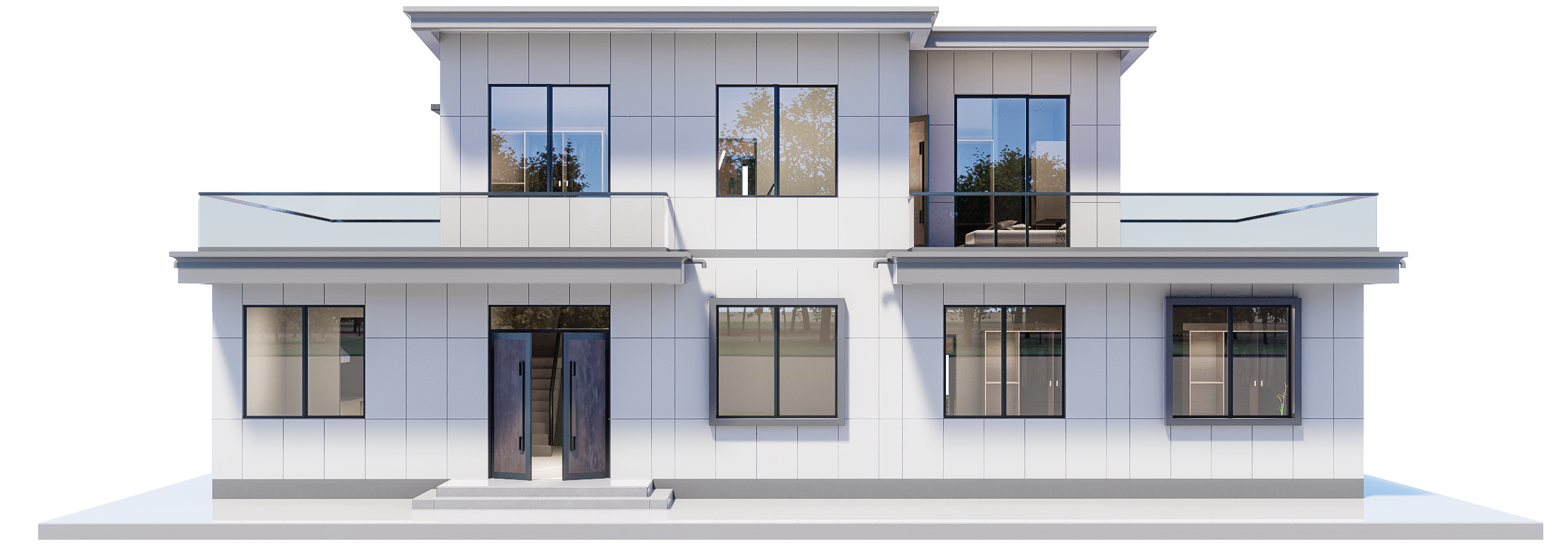
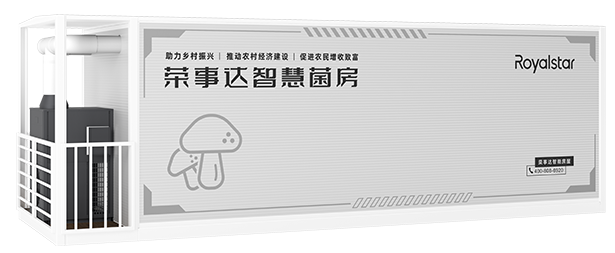
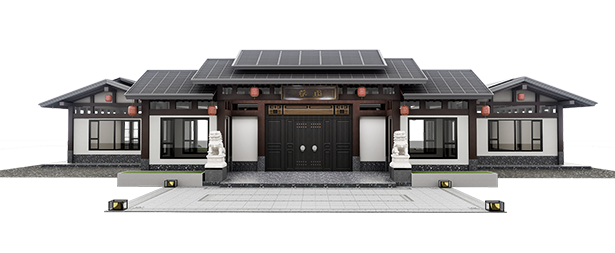




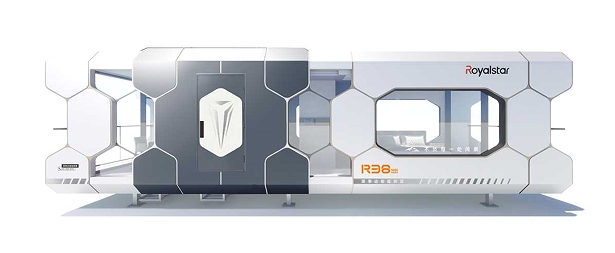
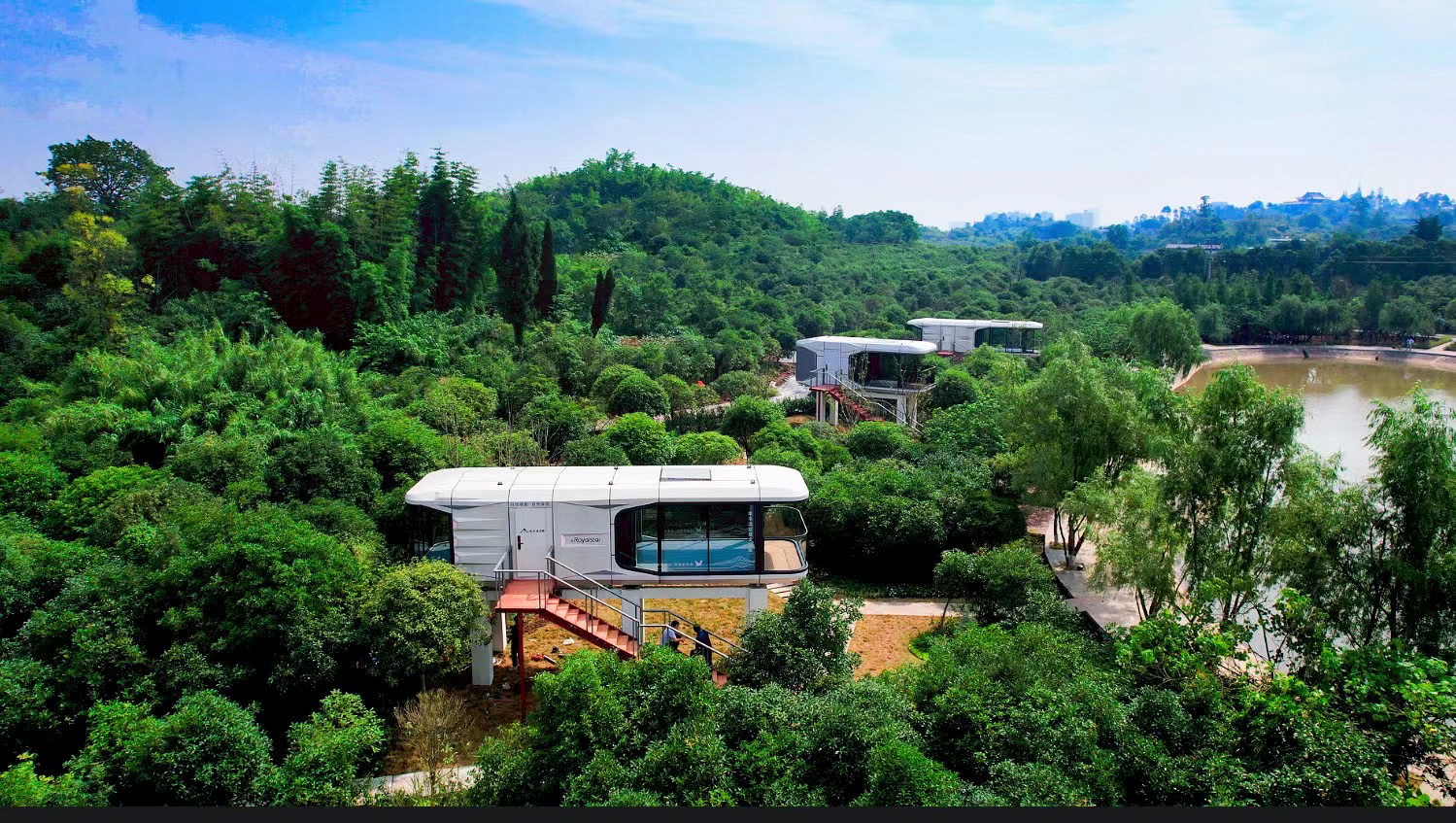
Exploring the Advantages of Prefab Houses: A Smart Home Solution
Prefab houses, or prefabricated homes, are structures that are built off-site in controlled environments before being transported and assembled at the final location. This method of construction is becoming increasingly appealing to modern homeowners and builders, especially considering the evolving needs of safety and smart home technology. One of the most significant advantages of prefab houses
Data:
2025-10-27 13:50
Prefab houses, or prefabricated homes, are structures that are built off-site in controlled environments before being transported and assembled at the final location. This method of construction is becoming increasingly appealing to modern homeowners and builders, especially considering the evolving needs of safety and smart home technology.
One of the most significant advantages of prefab houses is their efficiency in construction. Since many components are manufactured in a factory, the time spent on-site is drastically reduced. Homeowners can expect shorter construction timelines without compromising on quality. This rapid assembly can be particularly beneficial for those looking to move into their new homes swiftly or for those in need of housing solutions following natural disasters.
In addition to saving time, prefab houses are often more cost-effective than traditional homes. The streamlined construction process can lower labor costs and reduce material waste, making it a more sustainable option. As a result, homeowners can allocate their budgets toward smart home technologies, enhancing the safety and efficiency of their living spaces.
Another noteworthy aspect of prefab houses is their potential for customization. Homeowners can choose from various designs, layouts, and materials, making it easier to integrate smart home products tailored to their specific needs. This customization allows for enhanced security features, such as integrated surveillance systems, smart locks, and automated lighting, all contributing to a more secure living environment.
Prefab houses are also designed with energy efficiency in mind. Many models incorporate sustainable materials and energy-efficient systems, which can significantly lower utility costs. Smart home technologies can further optimize energy use through programmable thermostats, smart lighting systems, and energy monitoring devices. This integration not only benefits the environment but also promotes a healthier lifestyle for residents.
In terms of safety, prefab houses can be equipped with advanced security features that provide peace of mind for homeowners. From smart alarms to remote monitoring capabilities, these homes can easily adapt to the latest technologies, ensuring residents feel secure in their living spaces. Additionally, prefab structures are built to withstand various environmental conditions, making them a resilient choice for different geographic locations.
As the demand for smart homes continues to grow, prefab houses offer a practical solution that aligns with contemporary living standards. With their quick construction, cost-effectiveness, customization options, energy efficiency, and enhanced safety features, it’s no wonder that prefab houses are becoming a preferred choice for many.
In conclusion, prefab houses represent a forward-thinking approach to home construction that not only meets the demands of modern life but also integrates seamlessly with the latest advancements in home safety and smart technologies. Embracing this innovative housing solution could very well be a step toward a more efficient, secure, and sustainable future in home living.
One of the most significant advantages of prefab houses is their efficiency in construction. Since many components are manufactured in a factory, the time spent on-site is drastically reduced. Homeowners can expect shorter construction timelines without compromising on quality. This rapid assembly can be particularly beneficial for those looking to move into their new homes swiftly or for those in need of housing solutions following natural disasters.
In addition to saving time, prefab houses are often more cost-effective than traditional homes. The streamlined construction process can lower labor costs and reduce material waste, making it a more sustainable option. As a result, homeowners can allocate their budgets toward smart home technologies, enhancing the safety and efficiency of their living spaces.
Another noteworthy aspect of prefab houses is their potential for customization. Homeowners can choose from various designs, layouts, and materials, making it easier to integrate smart home products tailored to their specific needs. This customization allows for enhanced security features, such as integrated surveillance systems, smart locks, and automated lighting, all contributing to a more secure living environment.
Prefab houses are also designed with energy efficiency in mind. Many models incorporate sustainable materials and energy-efficient systems, which can significantly lower utility costs. Smart home technologies can further optimize energy use through programmable thermostats, smart lighting systems, and energy monitoring devices. This integration not only benefits the environment but also promotes a healthier lifestyle for residents.
In terms of safety, prefab houses can be equipped with advanced security features that provide peace of mind for homeowners. From smart alarms to remote monitoring capabilities, these homes can easily adapt to the latest technologies, ensuring residents feel secure in their living spaces. Additionally, prefab structures are built to withstand various environmental conditions, making them a resilient choice for different geographic locations.
As the demand for smart homes continues to grow, prefab houses offer a practical solution that aligns with contemporary living standards. With their quick construction, cost-effectiveness, customization options, energy efficiency, and enhanced safety features, it’s no wonder that prefab houses are becoming a preferred choice for many.
In conclusion, prefab houses represent a forward-thinking approach to home construction that not only meets the demands of modern life but also integrates seamlessly with the latest advancements in home safety and smart technologies. Embracing this innovative housing solution could very well be a step toward a more efficient, secure, and sustainable future in home living.
Related News




+852 94671947
+971 553083850
Address
Building 2,Intersection of Fenglin Road and Shuangfeng Road, Shuangfeng Economic Development Zone, Hefei City, Anhui Province, China