-
-
-
Service Support

-
About Royalstar





The Future of Living: Exploring Modular Homes
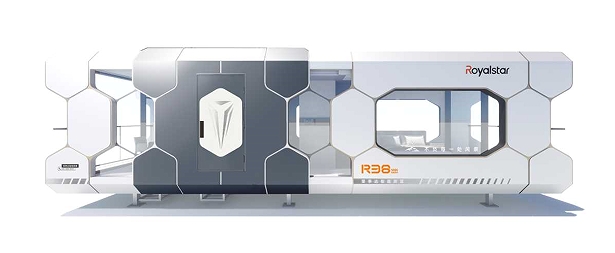
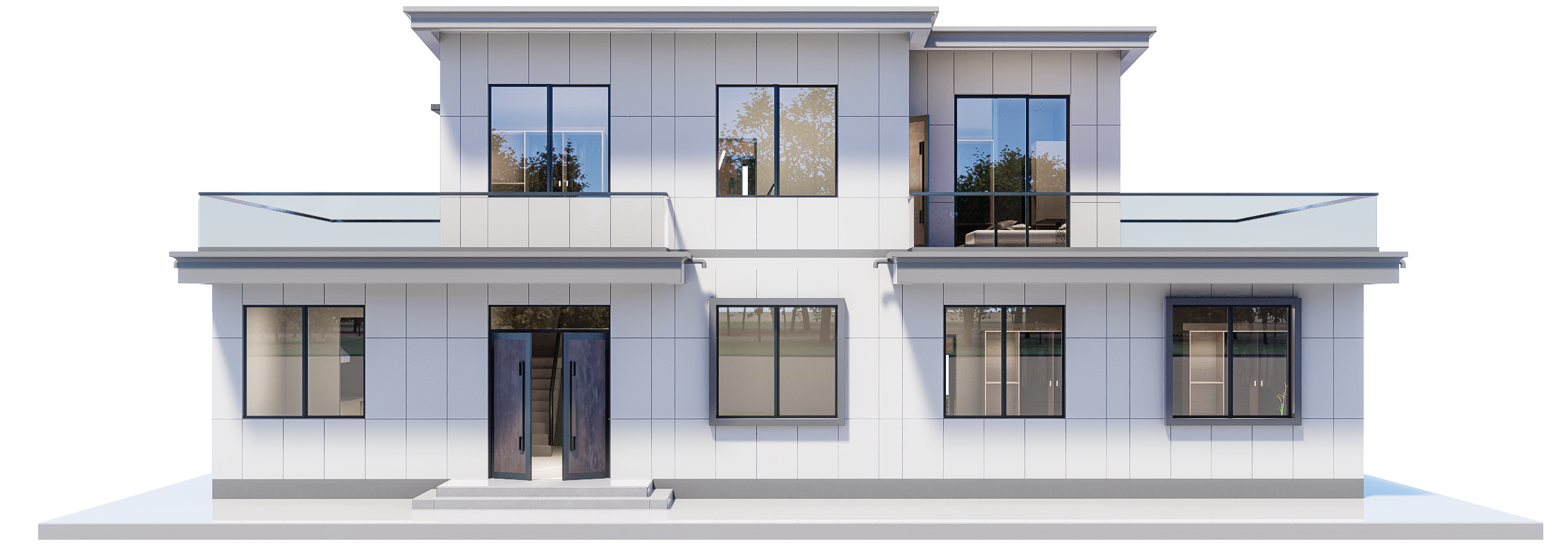
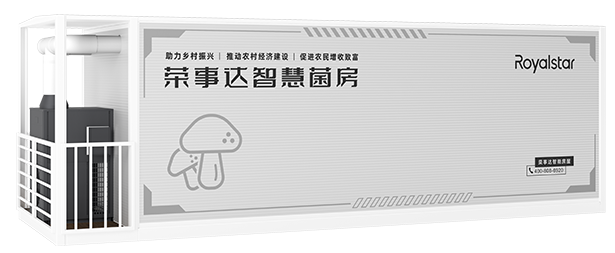
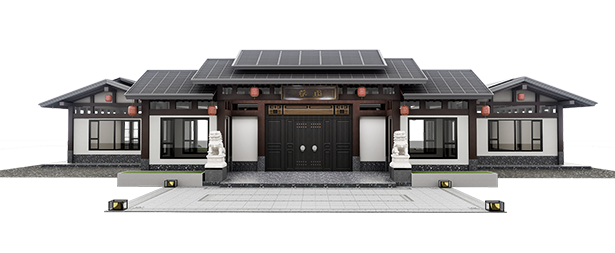
Modular homes have emerged as a significant trend in the housing market, offering a modern approach to home construction that emphasizes efficiency, customization, and sustainability. Unlike traditional homes, which are built entirely on-site, modular homes are constructed in sections—known as modules—at a factory. These sections are then transported to the building site and assembled. This method
Data:
2025-10-19 12:50
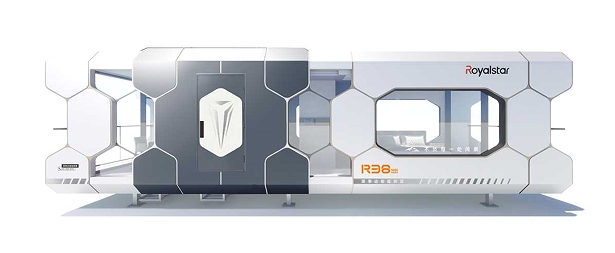
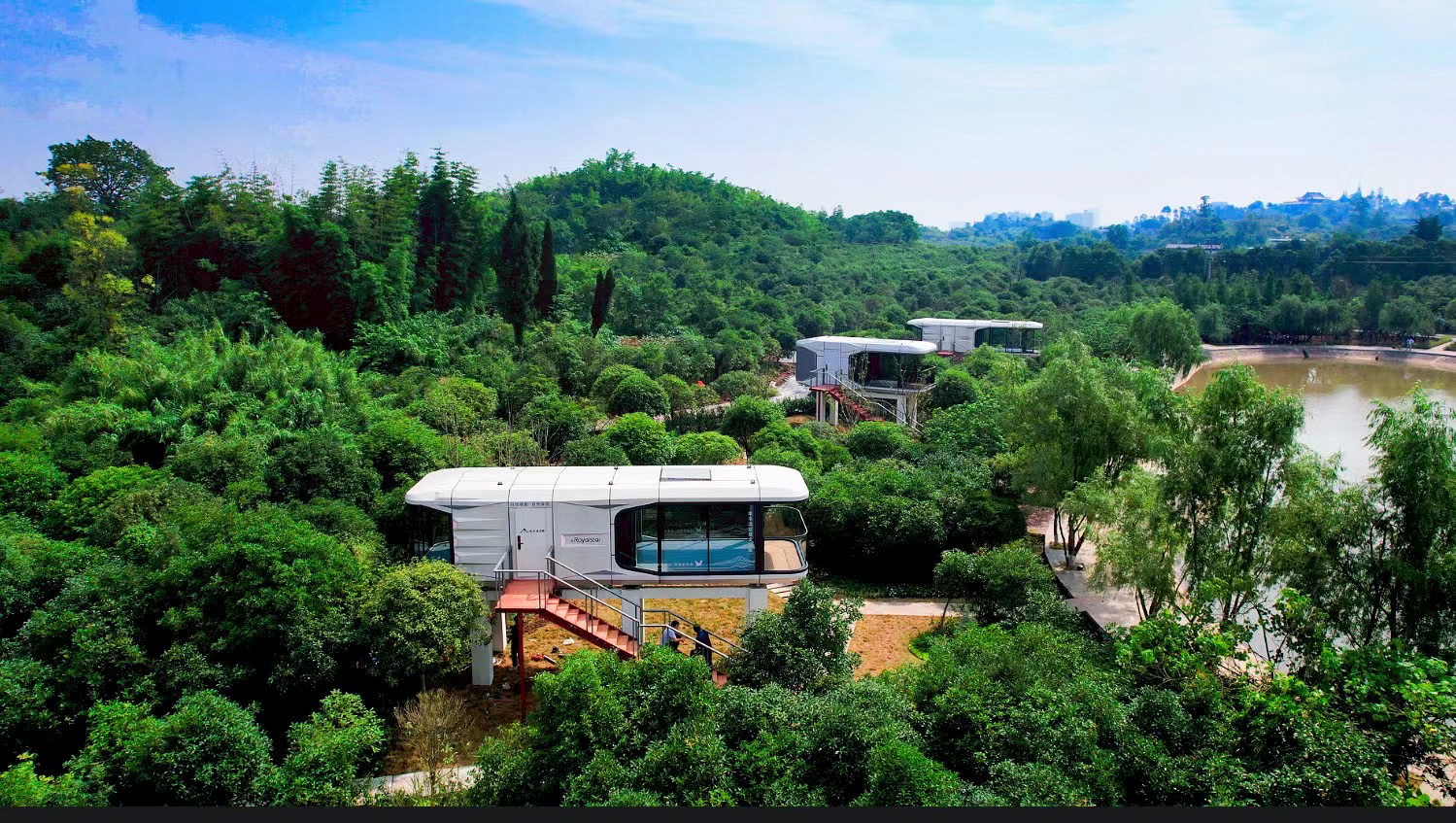
Modular homes have emerged as a significant trend in the housing market, offering a modern approach to home construction that emphasizes efficiency, customization, and sustainability. Unlike traditional homes, which are built entirely on-site, modular homes are constructed in sections—known as modules—at a factory. These sections are then transported to the building site and assembled. This method presents a myriad of advantages, particularly for those interested in smart and secure home solutions.
One of the primary benefits of modular homes is their efficiency. The factory setting allows for better control over the building process, reducing waste and minimizing delays due to weather or labor shortages. As a result, homeowners can move into their new spaces more quickly compared to conventional building methods. This is particularly appealing for individuals looking for a swift housing solution without compromising quality.
Customizability is another hallmark of modular homes. Homebuyers have the opportunity to tailor their living spaces to their specific needs and preferences. From selecting floor plans to choosing finishes and layouts, the options are nearly limitless. This level of personalization enables individuals to create homes that reflect their lifestyle and functional requirements, making modular homes an attractive choice for many.
In terms of sustainability, many modular homes are designed with eco-friendly materials and energy-efficient systems. This focus on green building practices aligns with growing consumer awareness around sustainability and environmental impact. Features such as improved insulation, energy-efficient windows, and smart home technologies contribute to lower energy consumption and reduced utility bills, making modular homes not just a stylish choice, but a responsible one as well.
Moreover, with the rise of home automation technologies, modular homes can easily incorporate smart home systems. These systems enhance the security and functionality of the living space, allowing homeowners to control everything from lighting to security cameras through their smartphones. The integration of smart technologies fosters a safer environment, catering to the increasing demand for security and protection in residential spaces.
In conclusion, modular homes represent a forward-thinking solution in the realm of housing. Their blend of efficiency, customization, and sustainability makes them particularly appealing to modern homeowners. As we continue to embrace innovations in the home-building industry, modular homes stand out as a viable option for those seeking a smart, secure, and environmentally responsible living space. Whether you are considering a new home or simply exploring your options, understanding the benefits of modular homes can equip you with the knowledge to make an informed decision.
One of the primary benefits of modular homes is their efficiency. The factory setting allows for better control over the building process, reducing waste and minimizing delays due to weather or labor shortages. As a result, homeowners can move into their new spaces more quickly compared to conventional building methods. This is particularly appealing for individuals looking for a swift housing solution without compromising quality.
Customizability is another hallmark of modular homes. Homebuyers have the opportunity to tailor their living spaces to their specific needs and preferences. From selecting floor plans to choosing finishes and layouts, the options are nearly limitless. This level of personalization enables individuals to create homes that reflect their lifestyle and functional requirements, making modular homes an attractive choice for many.
In terms of sustainability, many modular homes are designed with eco-friendly materials and energy-efficient systems. This focus on green building practices aligns with growing consumer awareness around sustainability and environmental impact. Features such as improved insulation, energy-efficient windows, and smart home technologies contribute to lower energy consumption and reduced utility bills, making modular homes not just a stylish choice, but a responsible one as well.
Moreover, with the rise of home automation technologies, modular homes can easily incorporate smart home systems. These systems enhance the security and functionality of the living space, allowing homeowners to control everything from lighting to security cameras through their smartphones. The integration of smart technologies fosters a safer environment, catering to the increasing demand for security and protection in residential spaces.
In conclusion, modular homes represent a forward-thinking solution in the realm of housing. Their blend of efficiency, customization, and sustainability makes them particularly appealing to modern homeowners. As we continue to embrace innovations in the home-building industry, modular homes stand out as a viable option for those seeking a smart, secure, and environmentally responsible living space. Whether you are considering a new home or simply exploring your options, understanding the benefits of modular homes can equip you with the knowledge to make an informed decision.
Related News






+852 94671947
+971 553083850
Address
Building 2,Intersection of Fenglin Road and Shuangfeng Road, Shuangfeng Economic Development Zone, Hefei City, Anhui Province, China