-
-
-
Service Support

-
About Royalstar





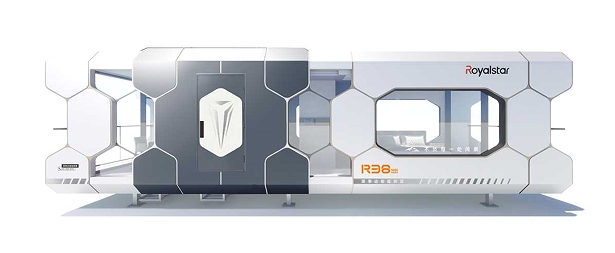
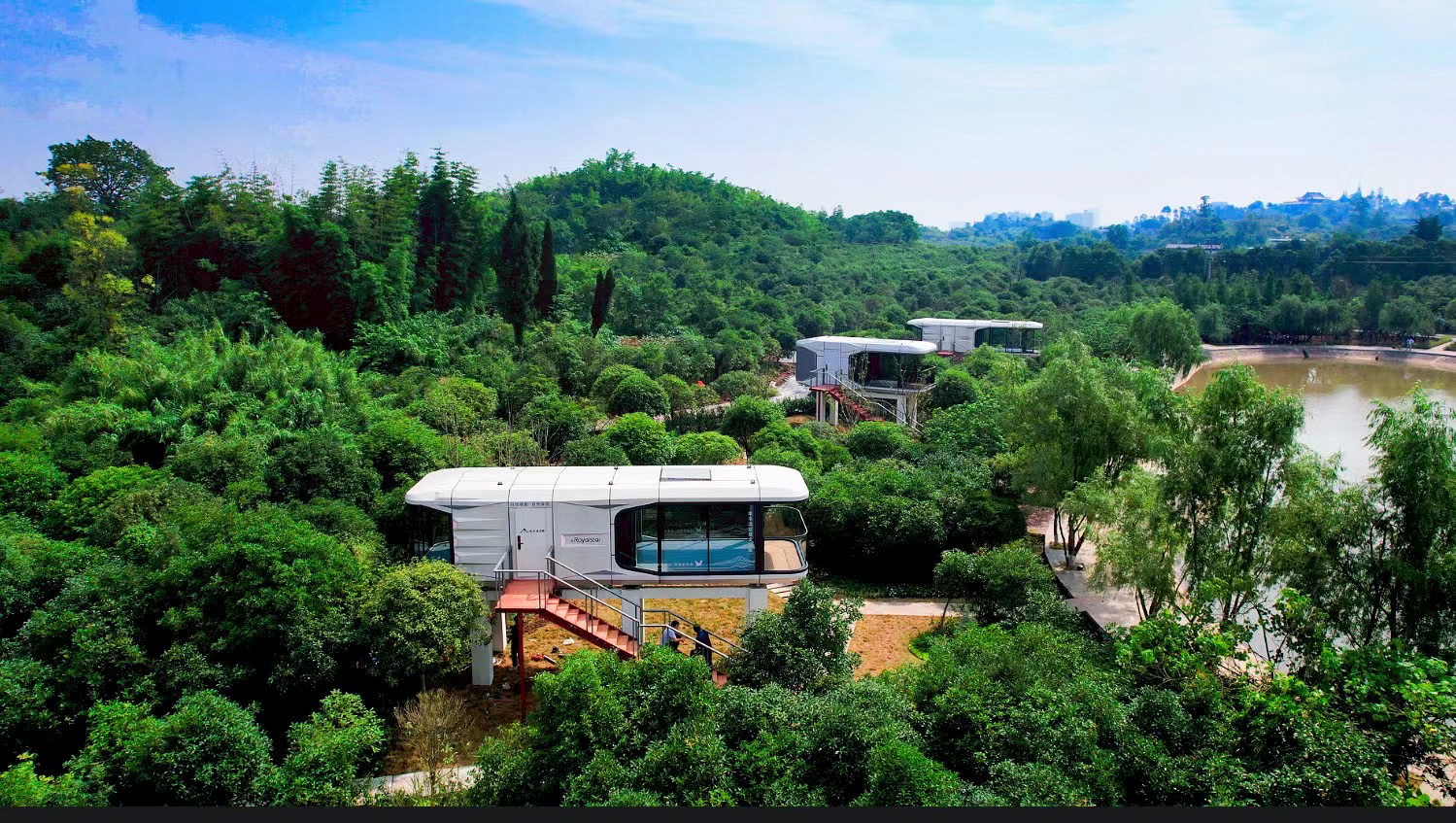
Exploring the Safety and Benefits of Prefab Houses in Modern Living
Prefab houses, or prefabricated homes, are constructed off-site and transported to their final location, significantly streamlining the building process. This method not only reduces construction time but also minimizes waste, making it an eco-friendly choice. As safety and security remain paramount in home design, prefab houses are increasingly integrating advanced technologies and materials that
Data:
2025-10-17 11:50
Prefab houses, or prefabricated homes, are constructed off-site and transported to their final location, significantly streamlining the building process. This method not only reduces construction time but also minimizes waste, making it an eco-friendly choice. As safety and security remain paramount in home design, prefab houses are increasingly integrating advanced technologies and materials that enhance durability and protect residents.
One of the major advantages of prefab houses is their ability to incorporate smart home systems. These systems allow homeowners to control various aspects of their home, such as lighting, heating, and security, through mobile devices or voice commands. For instance, integrating smart security cameras and alarm systems in prefab homes can greatly enhance the safety of the living environment. Homeowners can monitor their property in real-time, receive alerts, and even control security features remotely, providing peace of mind whether they're at home or away.
Moreover, prefab houses are often built with high-quality, sustainable materials that exceed traditional building standards. This ensures that the homes are not only environmentally friendly but also resilient against various weather conditions. Enhanced insulation and energy-efficient designs contribute to a safer, more comfortable living space by regulating temperature and reducing energy costs.
In terms of customization, prefab houses provide flexibility in design, allowing homeowners to choose layouts and features that best suit their needs. Whether it’s creating an open-concept living area or adding a dedicated workspace, the adaptability of prefab constructions can cater to diverse lifestyles. This versatility makes them an attractive option for families, remote workers, and retirees alike.
Safety standards are also rigorously applied to prefab homes, ensuring they meet or exceed local building codes. Many manufacturers prioritize safety features, such as fire-resistant materials and robust structural designs, to protect residents from potential hazards. This commitment to safety and quality is essential in fostering a secure living environment.
In conclusion, prefab houses represent a forward-thinking solution in the realm of modern home construction. By integrating smart home technologies and adhering to high safety standards, these homes not only offer convenience but also promote a secure, sustainable lifestyle. As the demand for innovative housing solutions grows, prefab houses are becoming an increasingly viable option for those seeking safety, efficiency, and flexibility in their living spaces.
One of the major advantages of prefab houses is their ability to incorporate smart home systems. These systems allow homeowners to control various aspects of their home, such as lighting, heating, and security, through mobile devices or voice commands. For instance, integrating smart security cameras and alarm systems in prefab homes can greatly enhance the safety of the living environment. Homeowners can monitor their property in real-time, receive alerts, and even control security features remotely, providing peace of mind whether they're at home or away.
Moreover, prefab houses are often built with high-quality, sustainable materials that exceed traditional building standards. This ensures that the homes are not only environmentally friendly but also resilient against various weather conditions. Enhanced insulation and energy-efficient designs contribute to a safer, more comfortable living space by regulating temperature and reducing energy costs.
In terms of customization, prefab houses provide flexibility in design, allowing homeowners to choose layouts and features that best suit their needs. Whether it’s creating an open-concept living area or adding a dedicated workspace, the adaptability of prefab constructions can cater to diverse lifestyles. This versatility makes them an attractive option for families, remote workers, and retirees alike.
Safety standards are also rigorously applied to prefab homes, ensuring they meet or exceed local building codes. Many manufacturers prioritize safety features, such as fire-resistant materials and robust structural designs, to protect residents from potential hazards. This commitment to safety and quality is essential in fostering a secure living environment.
In conclusion, prefab houses represent a forward-thinking solution in the realm of modern home construction. By integrating smart home technologies and adhering to high safety standards, these homes not only offer convenience but also promote a secure, sustainable lifestyle. As the demand for innovative housing solutions grows, prefab houses are becoming an increasingly viable option for those seeking safety, efficiency, and flexibility in their living spaces.
Related News






+852 94671947
+971 553083850
Address
Building 2,Intersection of Fenglin Road and Shuangfeng Road, Shuangfeng Economic Development Zone, Hefei City, Anhui Province, China
这里是占位文字