-
-
-
Service Support

-
About Royalstar





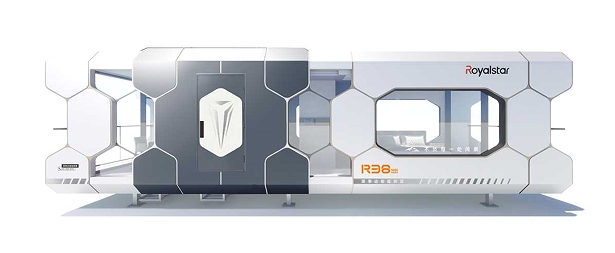
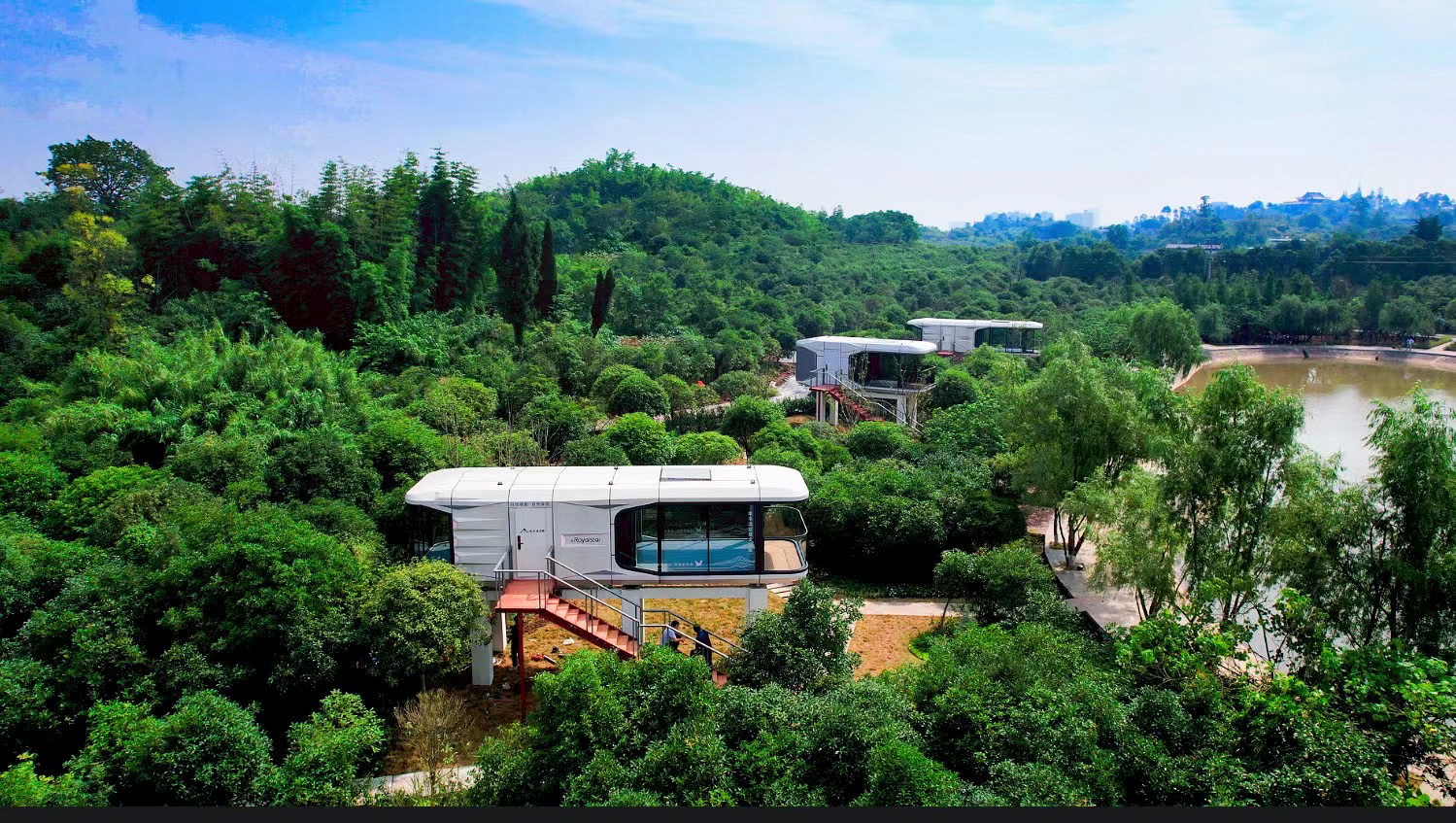
Understanding Modular Homes: A Comprehensive Guide for Modern Living
Modular homes, often referred to as prefabricated homes, are constructed off-site in controlled factory conditions and then transported to their designated locations for assembly. This method of construction offers numerous benefits that align with the latest trends in home safety and smart technology. One of the key advantages of modular homes is their speed of construction. Traditional homes oft
Data:
2025-10-09 12:30
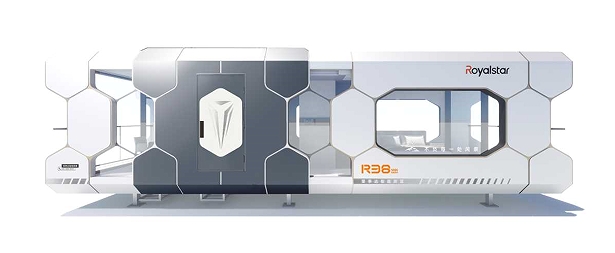
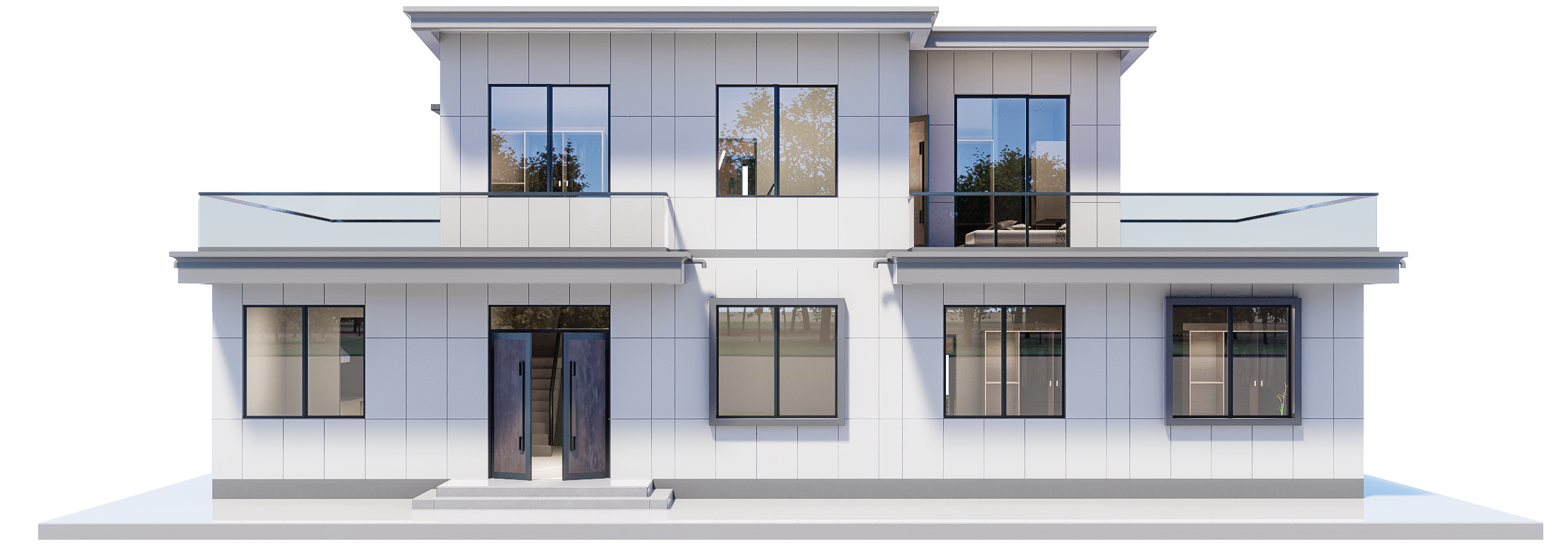
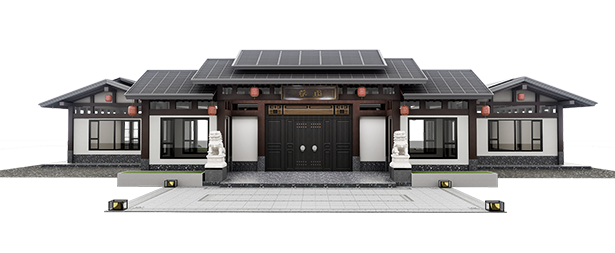
Modular homes, often referred to as prefabricated homes, are constructed off-site in controlled factory conditions and then transported to their designated locations for assembly. This method of construction offers numerous benefits that align with the latest trends in home safety and smart technology.
One of the key advantages of modular homes is their speed of construction. Traditional homes often take months, if not years, to build, but modular homes can be completed in a matter of weeks. This rapid assembly not only reduces labor costs but also minimizes the environmental impact associated with prolonged construction processes. Furthermore, since modular homes are built in a factory setting, they are less susceptible to delays caused by weather conditions, ensuring a more predictable timeline.
Safety is a critical factor in any home, and modular homes are designed with this in mind. They must meet stringent building codes and standards before they are allowed to be assembled on-site. This means that modular homes often exceed local building regulations, providing an additional layer of security for residents. In addition to structural safety, many modular homes come equipped with the latest smart home technologies, enabling homeowners to monitor and control various aspects of their homes remotely. Features such as smart thermostats, security systems, and automated lighting can be seamlessly integrated into the design of a modular home.
Sustainability is another important aspect of modular homes. The construction process often generates less waste compared to traditional building methods. Many manufacturers utilize eco-friendly materials and energy-efficient designs, contributing to lower carbon footprints and reduced energy consumption. This focus on sustainability not only benefits the environment but can also lead to cost savings on utility bills over time.
Moreover, modular homes offer versatility in design. Homeowners can customize their layouts and features to suit their lifestyle and preferences, making modular homes a flexible choice for various living situations. Whether it's a compact dwelling for a single professional or a spacious family home, modular designs can accommodate diverse needs.
In summary, modular homes present a modern solution for individuals seeking efficient, safe, and sustainable living environments. Their quick construction, adherence to safety standards, integration of smart technology, and eco-friendly options make them an appealing choice for today’s savvy homeowner. As the demand for innovative housing solutions continues to grow, modular homes could play a significant role in shaping the future of residential living.
One of the key advantages of modular homes is their speed of construction. Traditional homes often take months, if not years, to build, but modular homes can be completed in a matter of weeks. This rapid assembly not only reduces labor costs but also minimizes the environmental impact associated with prolonged construction processes. Furthermore, since modular homes are built in a factory setting, they are less susceptible to delays caused by weather conditions, ensuring a more predictable timeline.
Safety is a critical factor in any home, and modular homes are designed with this in mind. They must meet stringent building codes and standards before they are allowed to be assembled on-site. This means that modular homes often exceed local building regulations, providing an additional layer of security for residents. In addition to structural safety, many modular homes come equipped with the latest smart home technologies, enabling homeowners to monitor and control various aspects of their homes remotely. Features such as smart thermostats, security systems, and automated lighting can be seamlessly integrated into the design of a modular home.
Sustainability is another important aspect of modular homes. The construction process often generates less waste compared to traditional building methods. Many manufacturers utilize eco-friendly materials and energy-efficient designs, contributing to lower carbon footprints and reduced energy consumption. This focus on sustainability not only benefits the environment but can also lead to cost savings on utility bills over time.
Moreover, modular homes offer versatility in design. Homeowners can customize their layouts and features to suit their lifestyle and preferences, making modular homes a flexible choice for various living situations. Whether it's a compact dwelling for a single professional or a spacious family home, modular designs can accommodate diverse needs.
In summary, modular homes present a modern solution for individuals seeking efficient, safe, and sustainable living environments. Their quick construction, adherence to safety standards, integration of smart technology, and eco-friendly options make them an appealing choice for today’s savvy homeowner. As the demand for innovative housing solutions continues to grow, modular homes could play a significant role in shaping the future of residential living.
Related News






+852 94671947
+971 553083850
Address
Building 2,Intersection of Fenglin Road and Shuangfeng Road, Shuangfeng Economic Development Zone, Hefei City, Anhui Province, China