-
-
-
Service Support

-
About Royalstar
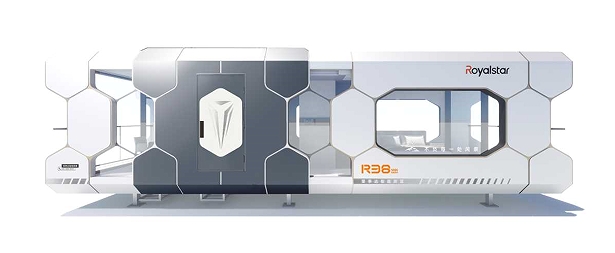





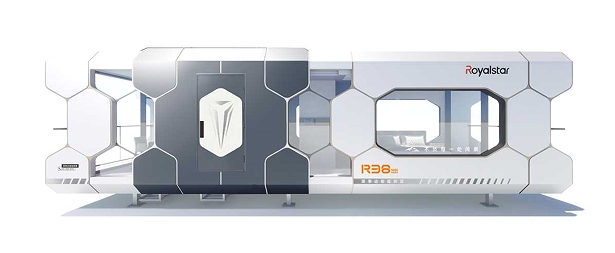
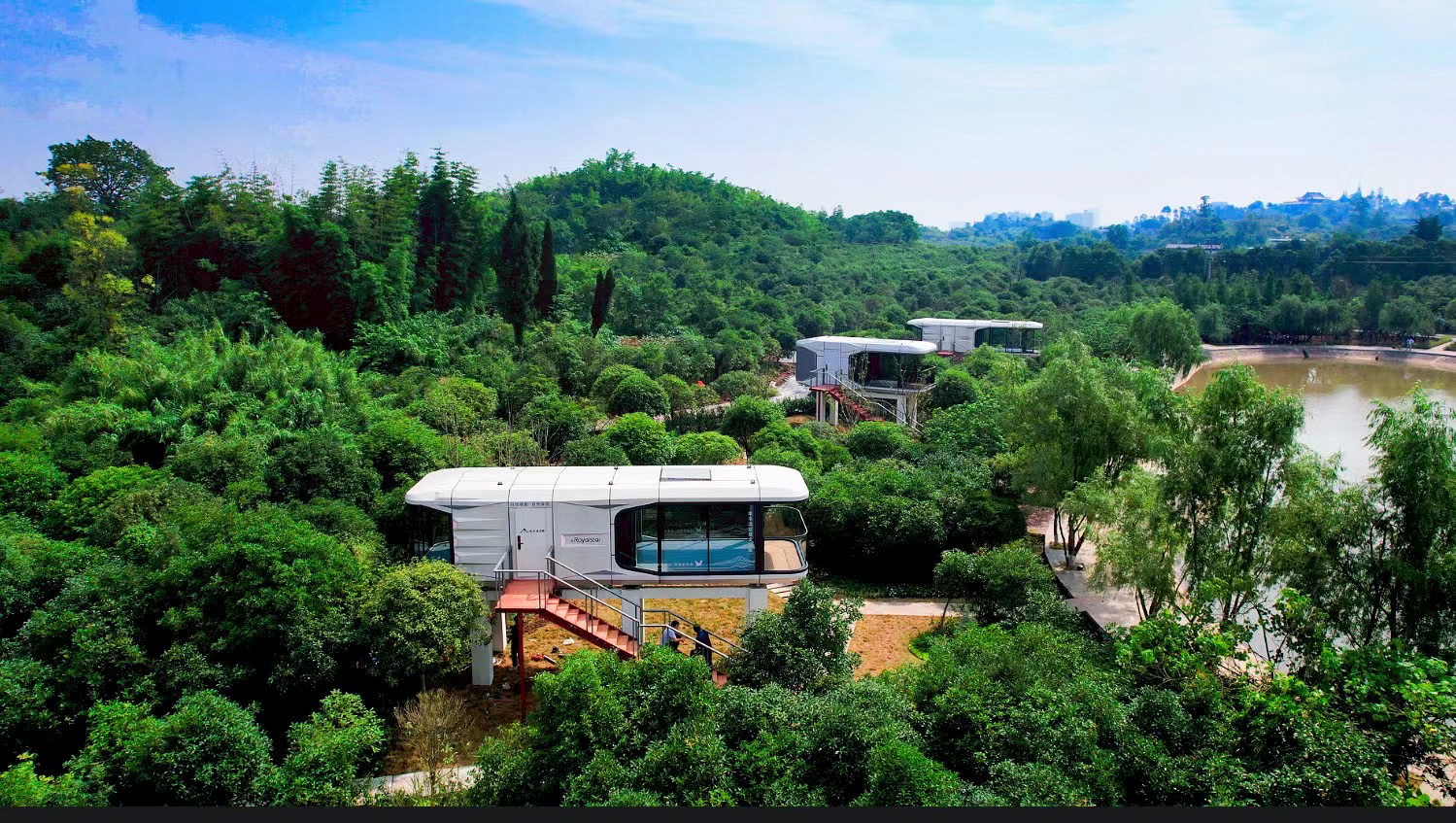
Capsule Hotels: Merging Modern Design with Functionality
Capsule Hotels: Merging Modern Design with Functionality Table of Contents 1. Introduction to Capsule Hotels 2. The Evolution of Capsule Hotels 2.1 Historical Context and Development 2.2 Global Expansion and Popularity 3. Key Features of Capsule Hotels 3.1 Innovative Design Elements 3.2 Space Optimization Techniques 4. Benefits of Staying in Capsule Hotels 4.1 Affordability and Value for Money 4.2
Data:
2025-10-08 11:30
Capsule Hotels: Merging Modern Design with Functionality
Table of Contents
1. Introduction to Capsule Hotels
2. The Evolution of Capsule Hotels
2.1 Historical Context and Development
2.2 Global Expansion and Popularity
3. Key Features of Capsule Hotels
3.1 Innovative Design Elements
3.2 Space Optimization Techniques
4. Benefits of Staying in Capsule Hotels
4.1 Affordability and Value for Money
4.2 Unique Experience and Community Vibe
5. Capsule Hotels vs. Traditional Hotels
5.1 Comparing Costs and Amenities
5.2 Understanding the Target Audience
6. The Role of Technology in Capsule Hotels
6.1 Smart Features for Enhanced Comfort
6.2 Sustainable Practices in Design and Operations
7. Capsule Hotel Designs Around the World
7.1 Iconic Examples in Major Cities
7.2 Cultural Influences on Design
8. Future Trends in Capsule Hotel Design
9. Frequently Asked Questions (FAQs)
10. Conclusion
1. Introduction to Capsule Hotels
Capsule hotels are a revolutionary accommodation concept that encapsulates (pun intended!) the essence of modern travel. These compact, efficient spaces are designed to provide travelers with a unique lodging experience that combines comfort, community, and contemporary design. Originating in Japan, capsule hotels have gained immense popularity around the world, appealing to budget-conscious travelers seeking both convenience and style.
2. The Evolution of Capsule Hotels
Capsule hotels have undergone a remarkable transformation since their inception.
2.1 Historical Context and Development
The first capsule hotel, known as "Capsule Inn Osaka," opened its doors in 1979. Created by designer Kisho Kurokawa, the concept aimed to provide affordable accommodation for businessmen in bustling urban areas. The design featured small pods stacked efficiently to maximize space utilization while ensuring privacy.
2.2 Global Expansion and Popularity
Over the years, capsule hotels have gained traction beyond Japan, with cities like Amsterdam, London, and New York embracing the trend. Their appeal lies in the ability to offer low-cost lodging in prime locations, attracting both local and international travelers.
3. Key Features of Capsule Hotels
Capsule hotels are characterized by several innovative features, making them a standout choice for modern travelers.
3.1 Innovative Design Elements
Capsule hotels prioritize sleek, minimalist design. Each pod is typically equipped with essential amenities such as a bed, reading light, and charging ports. The design often emphasizes use of high-quality materials, ensuring travelers enjoy both comfort and aesthetic appeal.
3.2 Space Optimization Techniques
Maximizing limited space is at the core of capsule hotel design. Clever use of vertical space, multifunctional furniture, and strategic layout ensures that every square inch serves a purpose. This approach allows for efficient use of resources while maintaining a pleasant atmosphere.
4. Benefits of Staying in Capsule Hotels
Capsule hotels offer numerous advantages that enhance the traveler experience.
4.1 Affordability and Value for Money
One of the most significant draws of capsule hotels is their affordability. Prices are typically lower than traditional hotels, making them an attractive option for budget travelers. Despite the lower price point, guests can still expect a comfortable stay with essential amenities.
4.2 Unique Experience and Community Vibe
Capsule hotels foster a sense of community among guests. Shared amenities such as lounges and kitchens promote interaction, allowing travelers to connect and share their experiences. This communal atmosphere is particularly appealing to solo travelers and backpackers.
5. Capsule Hotels vs. Traditional Hotels
Understanding the differences between capsule hotels and traditional accommodations can help travelers make informed choices.
5.1 Comparing Costs and Amenities
While traditional hotels often come equipped with a wide array of amenities, capsule hotels focus on providing essential services at a fraction of the cost. Guests might forego room service or spacious suites for the sake of affordability and efficiency.
5.2 Understanding the Target Audience
Capsule hotels cater primarily to young travelers, backpackers, and those looking for short-term stays. Their communal nature and affordability resonate with individuals who prioritize experience over luxury.
6. The Role of Technology in Capsule Hotels
With the rise of technology, capsule hotels have begun to integrate smart solutions to enhance guest experiences.
6.1 Smart Features for Enhanced Comfort
Many modern capsule hotels incorporate smart technology, such as automated check-in, temperature control, and high-speed internet. These features not only improve convenience but also provide guests with control over their environment.
6.2 Sustainable Practices in Design and Operations
Sustainability is becoming increasingly important in the hospitality industry. Capsule hotels often employ eco-friendly materials and energy-efficient practices, making them appealing to environmentally conscious travelers.
7. Capsule Hotel Designs Around the World
Across the globe, capsule hotels showcase diverse designs influenced by local culture and architecture.
7.1 Iconic Examples in Major Cities
Cities like Tokyo and Singapore are home to some of the most iconic capsule hotels. For instance, "The Pod" in Singapore is celebrated for its chic interior and modern amenities, while "Nine Hours" in Tokyo offers a unique blend of traditional Japanese aesthetics with futuristic design.
7.2 Cultural Influences on Design
The design of capsule hotels often reflects regional architectural styles. In Europe, for example, capsule hotels incorporate rustic elements and local art, creating a unique fusion that enhances the travel experience.
8. Future Trends in Capsule Hotel Design
As the travel industry continues to evolve, so too do the designs of capsule hotels. Emerging trends include increased personalization, enhanced privacy features, and integration of wellness spaces. As travelers seek unique and tailored experiences, capsule hotels will need to adapt to meet these demands.
9. Frequently Asked Questions (FAQs)
What is a capsule hotel?
Capsule hotels are compact lodging facilities featuring small pods designed for short-term stays, providing essential amenities at an affordable price.
Are capsule hotels safe?
Yes, most capsule hotels implement security measures such as locked doors, surveillance cameras, and key card access to ensure guest safety.
Can I book a capsule hotel for a long stay?
While capsule hotels are ideal for short-term stays, some locations may offer extended stay options based on availability.
Do capsule hotels have shared bathrooms?
Many capsule hotels feature shared bathroom facilities, although some may offer private bathrooms depending on the design and pricing.
Is there a minimum age requirement for staying in a capsule hotel?
Age requirements vary by hotel; however, most capsule hotels welcome guests of all ages, making them suitable for young adults and travelers of all demographics.
10. Conclusion
Capsule hotels represent a fascinating intersection of modern design and functionality, addressing the evolving needs of today’s travelers. They present a unique accommodation option that prioritizes affordability, community, and efficiency without sacrificing comfort. As the trend continues to expand globally, capsule hotels will likely adapt and innovate further, ensuring they remain an appealing choice for travelers seeking unique experiences in an increasingly urbanized world.
Related News





+852 94671947
+971 553083850
Address
Building 2,Intersection of Fenglin Road and Shuangfeng Road, Shuangfeng Economic Development Zone, Hefei City, Anhui Province, China