-
-
-
Service Support

-
About Royalstar
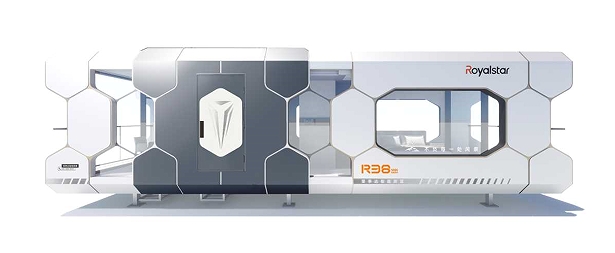


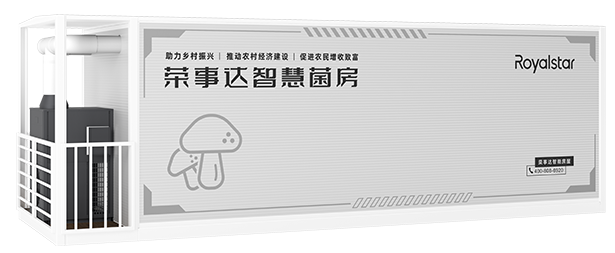





Enhancing Mushroom Cultivation: The Role of Capsules in Sustainable Practices
In the realm of mushroom cultivation, the adoption of capsules has emerged as a transformative technique that optimizes growth processes while ensuring sustainable practices. A capsule for mushroom cultivation typically encapsulates a controlled environment that caters to the specific needs of mushroom spores or mycelium. This method provides an array of advantages that can enhance both the effici
Data:
2025-09-25 12:40
In the realm of mushroom cultivation, the adoption of capsules has emerged as a transformative technique that optimizes growth processes while ensuring sustainable practices. A capsule for mushroom cultivation typically encapsulates a controlled environment that caters to the specific needs of mushroom spores or mycelium. This method provides an array of advantages that can enhance both the efficiency and effectiveness of the cultivation process.
One of the primary benefits of utilizing capsules is their ability to create a sterile environment that reduces the risk of contamination. In traditional cultivation methods, exposure to airborne pathogens can derail success. Capsules provide a protective barrier that safeguards the mushrooms during their delicate early growth stages. This controlled environment is essential for ensuring high-quality yields and minimizing waste, both of which are critical factors in sustainable agricultural practices.
Moreover, capsules can be designed to optimize moisture retention and nutrient delivery. Mushrooms thrive in specific humidity levels, and capsules can help maintain these conditions consistently throughout the growth cycle. By carefully managing moisture levels, cultivators can prevent the common pitfalls of over or under-watering, thus fostering a more robust growth environment. This precision not only aids in achieving optimal yields but also enhances the quality of the mushrooms produced.
The application of capsules also extends to space-saving solutions for urban or small-scale cultivators. With the rise of indoor farming, capsules can be integrated into stacks or vertical setups, maximizing the use of available space. This facilitates mushroom cultivation in urban environments where traditional farming methods may not be feasible. In addition, the capsules can be tailored to different mushroom species, allowing for versatility in production and the ability to cater to specific market demands.
Furthermore, the integration of technology with capsule systems can lead to more efficient monitoring and control of the growing environment. Smart technology can be employed to track temperature, humidity, and other critical factors, ensuring that mushrooms receive optimal care throughout their lifecycle. This innovation not only simplifies the cultivation process for growers but also supports a more sustainable approach by minimizing resource waste.
In conclusion, capsules for mushroom cultivation represent a significant advancement in the field of sustainable agriculture. Their ability to create sterile environments, optimize growth conditions, and facilitate space-efficient solutions makes them an invaluable asset for both novice and experienced cultivators. As mushroom cultivation continues to grow in popularity, understanding and utilizing these capsules can pave the way for more efficient and sustainable practices in the industry. By embracing these innovative methods, cultivators can contribute to a more sustainable future while enjoying the benefits of enhanced yields and quality.
One of the primary benefits of utilizing capsules is their ability to create a sterile environment that reduces the risk of contamination. In traditional cultivation methods, exposure to airborne pathogens can derail success. Capsules provide a protective barrier that safeguards the mushrooms during their delicate early growth stages. This controlled environment is essential for ensuring high-quality yields and minimizing waste, both of which are critical factors in sustainable agricultural practices.
Moreover, capsules can be designed to optimize moisture retention and nutrient delivery. Mushrooms thrive in specific humidity levels, and capsules can help maintain these conditions consistently throughout the growth cycle. By carefully managing moisture levels, cultivators can prevent the common pitfalls of over or under-watering, thus fostering a more robust growth environment. This precision not only aids in achieving optimal yields but also enhances the quality of the mushrooms produced.
The application of capsules also extends to space-saving solutions for urban or small-scale cultivators. With the rise of indoor farming, capsules can be integrated into stacks or vertical setups, maximizing the use of available space. This facilitates mushroom cultivation in urban environments where traditional farming methods may not be feasible. In addition, the capsules can be tailored to different mushroom species, allowing for versatility in production and the ability to cater to specific market demands.
Furthermore, the integration of technology with capsule systems can lead to more efficient monitoring and control of the growing environment. Smart technology can be employed to track temperature, humidity, and other critical factors, ensuring that mushrooms receive optimal care throughout their lifecycle. This innovation not only simplifies the cultivation process for growers but also supports a more sustainable approach by minimizing resource waste.
In conclusion, capsules for mushroom cultivation represent a significant advancement in the field of sustainable agriculture. Their ability to create sterile environments, optimize growth conditions, and facilitate space-efficient solutions makes them an invaluable asset for both novice and experienced cultivators. As mushroom cultivation continues to grow in popularity, understanding and utilizing these capsules can pave the way for more efficient and sustainable practices in the industry. By embracing these innovative methods, cultivators can contribute to a more sustainable future while enjoying the benefits of enhanced yields and quality.
Related News






+852 94671947
+971 553083850
Address
Building 2,Intersection of Fenglin Road and Shuangfeng Road, Shuangfeng Economic Development Zone, Hefei City, Anhui Province, China