-
-
-
Service Support

-
About Royalstar





The Future of Living: Exploring the Benefits of Prefab Houses
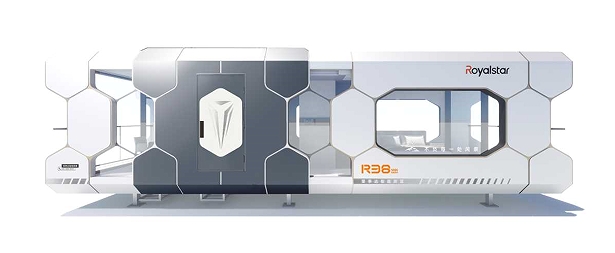
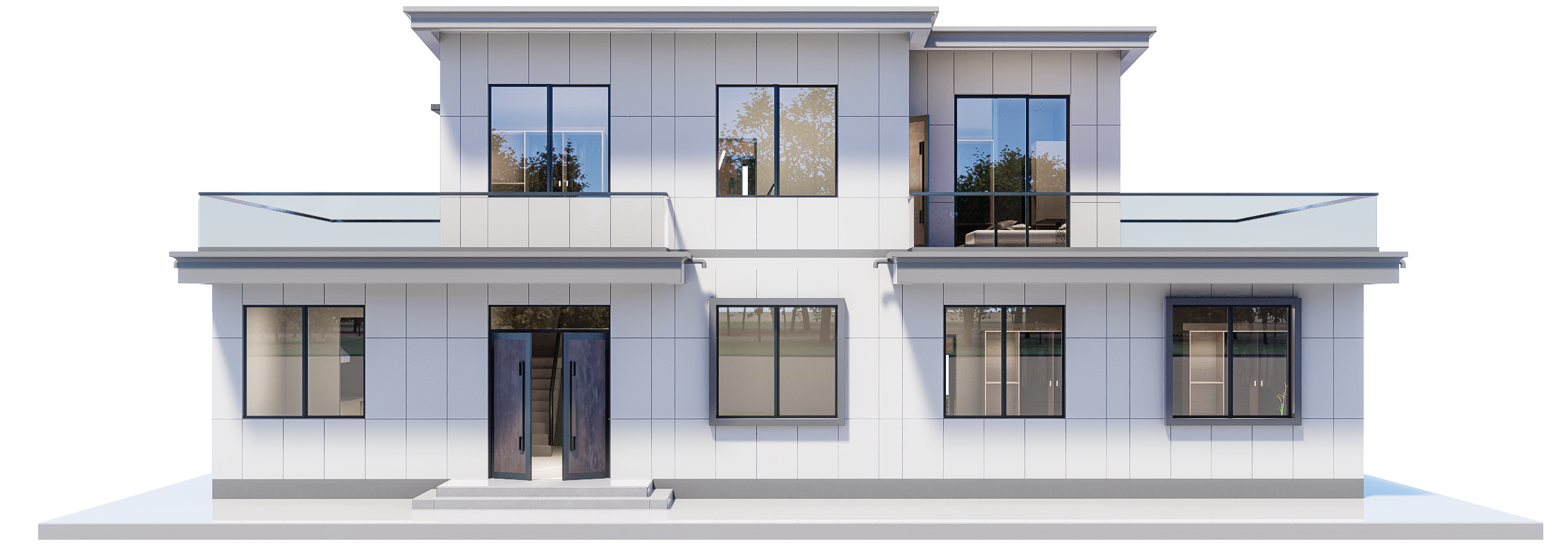
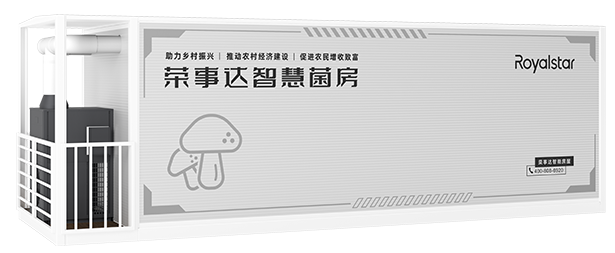
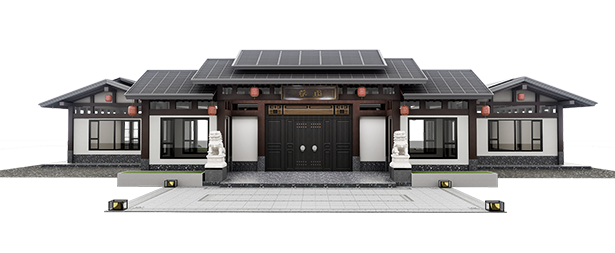
Prefab houses, or prefabricated homes, represent a growing trend in the construction industry, offering numerous advantages for homeowners and builders alike. These structures are manufactured off-site in a controlled environment and then transported to the building location for assembly. This process allows for significant efficiency gains compared to traditional building methods, making prefab h
Data:
2025-09-12 09:07
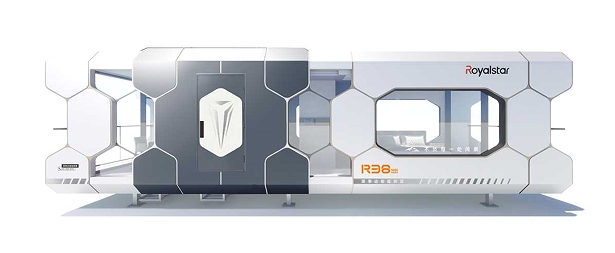
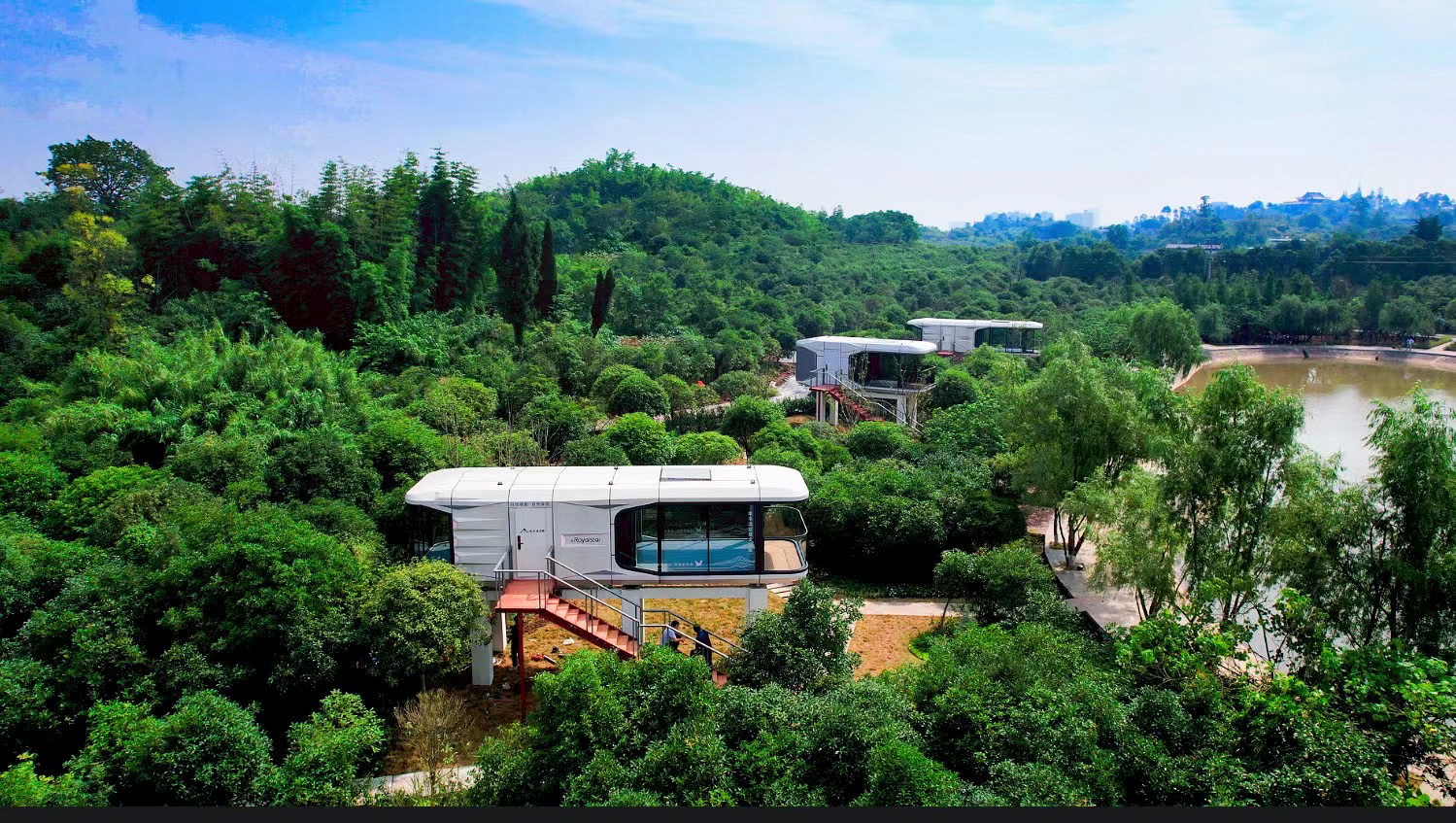
Prefab houses, or prefabricated homes, represent a growing trend in the construction industry, offering numerous advantages for homeowners and builders alike. These structures are manufactured off-site in a controlled environment and then transported to the building location for assembly. This process allows for significant efficiency gains compared to traditional building methods, making prefab houses an attractive choice for those looking to build their dream home quickly and sustainably.
One of the most notable benefits of prefab houses is the speed of construction. Since many components are built simultaneously in a factory setting, the time from design to completion is significantly reduced. This means that homeowners can move into their new homes much quicker than with conventional construction methods, which often face delays due to weather conditions and on-site complications.
Energy efficiency is another key feature of prefab houses. Many designs prioritize insulation and energy-saving technologies, which can lead to lower utility bills and a smaller carbon footprint. Prefabricated homes can incorporate advanced materials and systems that enhance energy performance, such as solar panels, energy-efficient windows, and high-performance heating and cooling systems. This focus on sustainability is increasingly important to modern homeowners who are conscious of their environmental impact.
Additionally, prefab houses offer remarkable versatility in design. Builders can choose from a wide range of styles and layouts, allowing homeowners to create a space that reflects their personal tastes and needs. From compact studio units to spacious family homes, the flexibility of prefab construction makes it easy to find a design that suits any lifestyle.
Safety and security are paramount considerations in any home, and prefab houses are no exception. Modern prefab homes are built to meet or exceed local building codes, ensuring structural integrity and safety standards are upheld. Furthermore, integrating smart home technologies can enhance security features, allowing homeowners to monitor their property remotely. This can include smart locks, surveillance cameras, and alarm systems, all of which are easy to incorporate during the construction phase.
In summary, prefab houses present a compelling option for those seeking a quick, efficient, and environmentally friendly building solution. With their inherent advantages in construction speed, energy efficiency, and design flexibility, they are well-suited to meet the demands of contemporary living. As the demand for sustainable and innovative housing solutions continues to grow, prefab houses stand out as a viable and attractive alternative for future homeowners.
One of the most notable benefits of prefab houses is the speed of construction. Since many components are built simultaneously in a factory setting, the time from design to completion is significantly reduced. This means that homeowners can move into their new homes much quicker than with conventional construction methods, which often face delays due to weather conditions and on-site complications.
Energy efficiency is another key feature of prefab houses. Many designs prioritize insulation and energy-saving technologies, which can lead to lower utility bills and a smaller carbon footprint. Prefabricated homes can incorporate advanced materials and systems that enhance energy performance, such as solar panels, energy-efficient windows, and high-performance heating and cooling systems. This focus on sustainability is increasingly important to modern homeowners who are conscious of their environmental impact.
Additionally, prefab houses offer remarkable versatility in design. Builders can choose from a wide range of styles and layouts, allowing homeowners to create a space that reflects their personal tastes and needs. From compact studio units to spacious family homes, the flexibility of prefab construction makes it easy to find a design that suits any lifestyle.
Safety and security are paramount considerations in any home, and prefab houses are no exception. Modern prefab homes are built to meet or exceed local building codes, ensuring structural integrity and safety standards are upheld. Furthermore, integrating smart home technologies can enhance security features, allowing homeowners to monitor their property remotely. This can include smart locks, surveillance cameras, and alarm systems, all of which are easy to incorporate during the construction phase.
In summary, prefab houses present a compelling option for those seeking a quick, efficient, and environmentally friendly building solution. With their inherent advantages in construction speed, energy efficiency, and design flexibility, they are well-suited to meet the demands of contemporary living. As the demand for sustainable and innovative housing solutions continues to grow, prefab houses stand out as a viable and attractive alternative for future homeowners.
Related News






+852 94671947
+971 553083850
Address
Building 2,Intersection of Fenglin Road and Shuangfeng Road, Shuangfeng Economic Development Zone, Hefei City, Anhui Province, China