-
-
-
Service Support

-
About Royalstar
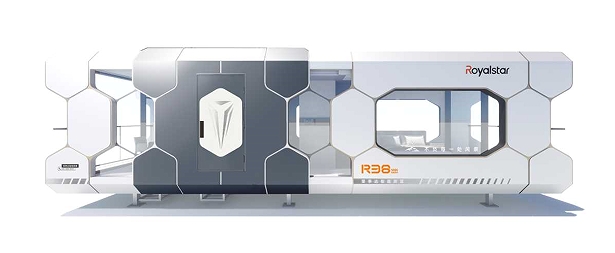

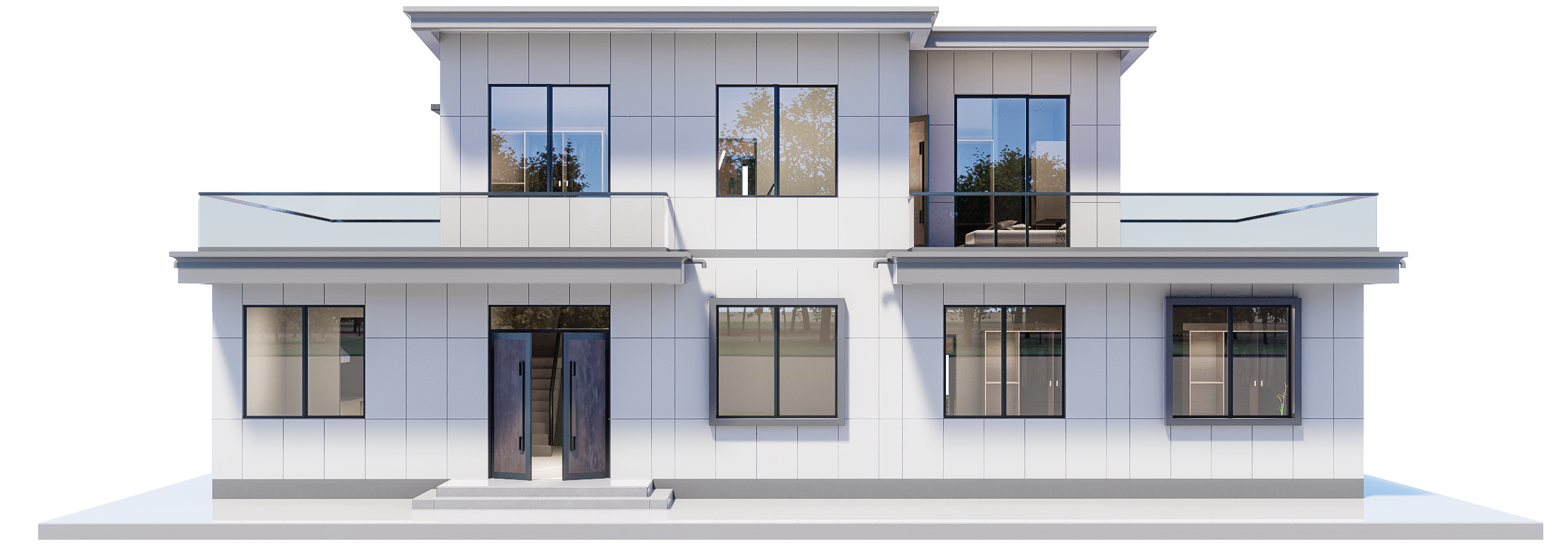
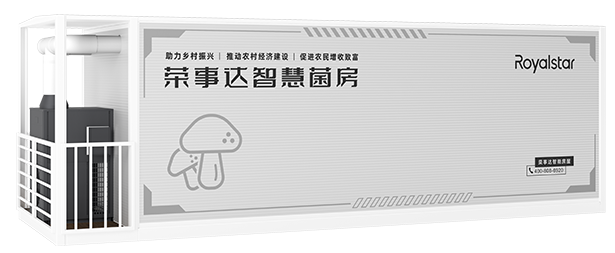
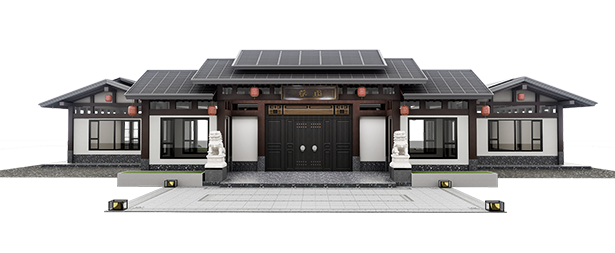




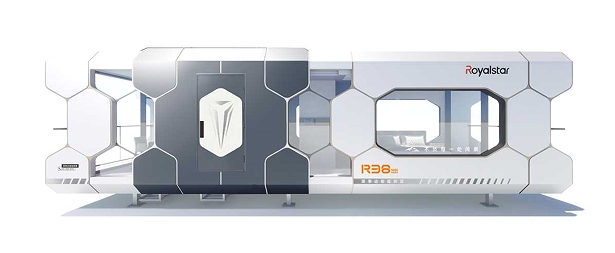

Smart space capsule company
The evolution of space technology has ushered in an era of increasingly sophisticated and autonomous spacecraft. Among the most significant developments is the emergence of the smart space capsule, a concept that integrates advanced computing, artificial intelligence, and interconnected systems to create a more capable and responsive vehicle. The implementation of a smart space capsule offers a multitude of advantages over traditional designs, enhancing mission safety, operational efficiency, and scientific output for both crewed and uncrewed missions.
Data:
2025-10-27 15:39

The Advantages of the Smart Space Capsule in Modern Space Exploration
The evolution of space technology has ushered in an era of increasingly sophisticated and autonomous spacecraft. Among the most significant developments is the emergence of the smart space capsule, a concept that integrates advanced computing, artificial intelligence, and interconnected systems to create a more capable and responsive vehicle. The implementation of a smart space capsule offers a multitude of advantages over traditional designs, enhancing mission safety, operational efficiency, and scientific output for both crewed and uncrewed missions.
A primary advantage of the smart space capsule is its enhanced capacity for autonomous decision-making and problem-solving. Traditional capsules rely heavily on ground control for complex calculations and instructions, a process that can be hampered by communication delays, especially in deep space missions. A smart space capsule, equipped with sophisticated AI and machine learning algorithms, can analyze real-time data from its myriad sensors to navigate, perform system diagnostics, and even respond to unforeseen anomalies without waiting for commands from Earth. This level of intelligence is crucial for ensuring crew safety and mission continuity during critical phases like ascent, docking, and re-entry.
Furthermore, the integrated systems of a smart space capsule contribute to superior resource management and operational efficiency. These vehicles are designed with a network of sensors that continuously monitor everything from power consumption and propulsion levels to life support systems and structural integrity. The onboard computer can optimize energy use, manage thermal controls, and predict maintenance needs, thereby extending the vehicle's operational lifespan and reliability. The efficiency of a smart space capsule allows for more scientific instruments and payloads to be accommodated, as the capsule itself manages a greater share of its own operational overhead.
Related News






+852 94671947
+971 553083850
Address
Building 2,Intersection of Fenglin Road and Shuangfeng Road, Shuangfeng Economic Development Zone, Hefei City, Anhui Province, China